

You’ve been scrolling through landscaping ideas for months. Saved about a hundred photos of garden designs, picked out plants, and maybe sketched where the new deck should go. You’re ready to transform that backyard.
But the worst landscaping mistakes happen underground, not on the surface.
The average Sydney homeowner drops between $5,000 and $30,000 on a landscaping project. Hit a pipe with an excavator or find out your sewer’s full of tree roots? Emergency repairs run $3,000 to $15,000+, sometimes more. That’s your entire landscaping budget gone before you’ve planted a single thing.
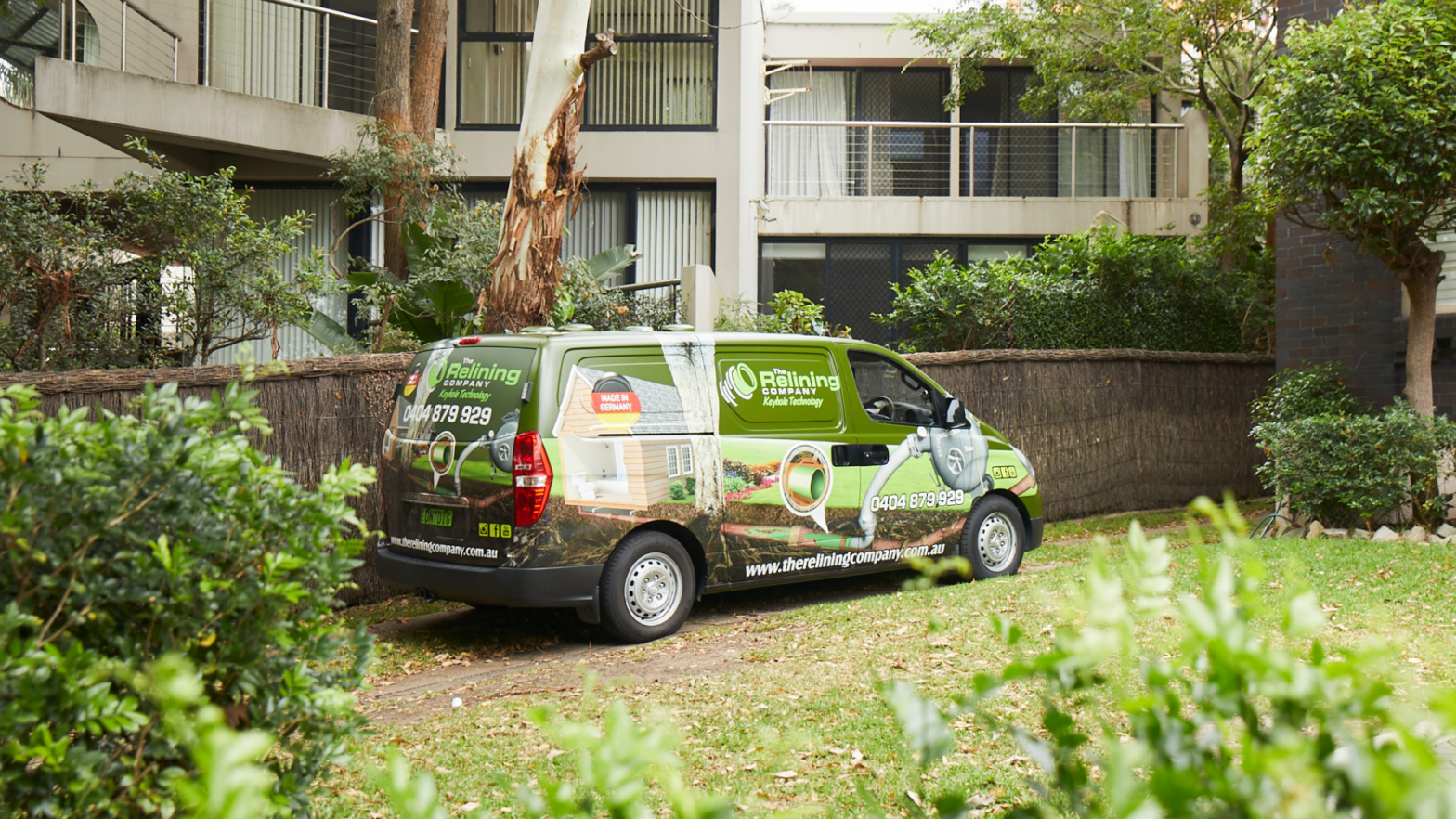
We work across Sydney’s Eastern Suburbs, and we see the same thing over and over. Beautiful garden beds, fresh turf, new paving, all of it. Then someone hits a pipe they didn’t know was there, and the whole job turns into a disaster.
Most plants will wait. Your pipes won’t.
Check What’s Underground Before Anything Else

Before you think about raised garden beds or which plant species look good or where that focal point should go, you need to know what’s beneath the ground level.
Look, pipe inspections aren’t exciting, but neither is watching sewage bubble up through your future vegetable garden because an excavator cracked your sewer line. That happens more than you’d think, especially in older properties around here.
Why Underground Infrastructure Matters More Than Garden Design
Tree roots cause about 80% of blockages that create sewage overflows. Properties built before 1970 still have terracotta or earthenware pipes. These crack over time, and once they crack, tree roots move in.
You might have a beautiful, established tree that’s been there for decades. Maybe a fig, or maybe a eucalypt. But it is an absolute nightmare for your pipes underground.
Roots spread out looking for moisture, and your pipes are basically advertising free water.
Tree roots can spread up to 10 times their canopy radius. So that tree with a 3-metre canopy? Its roots could be 30 metres out.
What You Actually Need to Do
Call Dial Before You Dig at 1100 first. It is a free service and shows you where public utilities run across your property (electricity, gas, water mains). The problem is, it only covers up to your property boundary and doesn’t show your private pipes. Those are the ones that get damaged during landscaping projects.
That’s why you need a CCTV pipe inspection. Costs range from $250 to $550 in Sydney, which is much cheaper than fixing a broken sewer line later.
The camera traverses your entire drainage system, showing you exactly where pipes run, their condition, and whether tree roots have already entered.
Book this before you:
- Finalise your landscape design for your new garden
- Get landscaper quotes
- Order materials
- Let anyone with excavation equipment near your property
If your property is over 30 years old or you have large trees, you really need this inspection. This is the same for slow drainage or soft, wet patches in your current garden.
Work Out Where Water Goes (And Where It Shouldn’t)
Once you know where your pipes are, you need to figure out drainage patterns. Water does what water wants. It finds the easiest path. If that path goes toward your house, you’ve got problems.
Walk around your outdoor space during heavy rain. Where does water pool? Where does it flow? Any erosion spots? Where do downpipes dump water?
Drainage Issues in Eastern Suburbs Properties
Many properties around here sit on slopes, which makes drainage more complicated. You’ve also got sandstone substrate across most of the area, which affects drainage capacity and makes excavation expensive when you hit rock.
Adding paved areas changes how water flows. Raised garden beds divert water elsewhere, but you need to know where that water’s going instead.
Stormwater Rules Aren’t Suggestions
Sydney Water has regulations about stormwater discharge, and Council has requirements about how much of your property can be paved or covered. Sometimes you need on-site detention systems.
Get it wrong, and the Council will make you fix it, which gets expensive.
But the overall goal is simple: water flows away from your house, not toward it. Properties in this area are worth too much to risk foundation damage from poor drainage patterns.
Figure Out What’s Happening With Trees
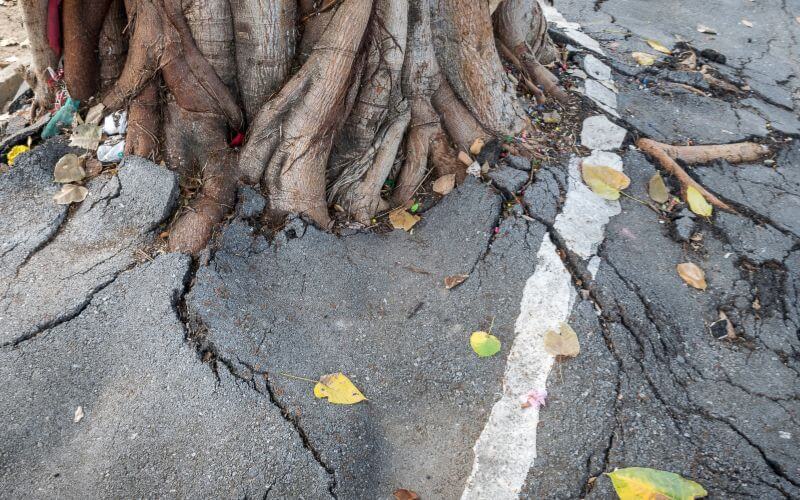
Tree roots don’t cause the initial pipe damage. They find existing cracks and exploit them. But once they’re in, they make everything worse fast. And removing trees isn’t as simple as calling someone with a chainsaw.
Council Rules Around Tree Removal
Waverley, Randwick, and Woollahra councils all maintain registers of significant trees. Some trees have Tree Preservation Orders. Heritage areas have extra restrictions on top of that.
Remove a tree without approval? Fines run $5,000 to $15,000.
The approval process takes 4 to 12 weeks minimum, so if your landscape design depends on removing a tree, factor that into your timeline. You’ll also need an arborist report, which costs another $400 to $800.
Options Besides Removing Trees
You don’t always have to take the tree out. Root barriers work sometimes, and strategic root pruning by a qualified arborist can also help. If your CCTV inspection shows roots in your pipes already, pipe relining seals them out permanently.
Be mindful that removing a tree doesn’t remove the roots straight away. They stay active for 2 to 5 years. The tree may be gone, but the roots can keep causing problems.
Budget for Reality (Not Your Best-Case Scenario)
Landscaping costs in Sydney’s Eastern Suburbs:
| Project Type | Cost per Square Metre |
| Basic refresh | $50 – $150 |
| Moderate renovation | $300 – $500 |
| Full transformation | $600 – $1,200 |
| Premium work | $1,500+ |
But those numbers don’t include the stuff that catches you off guard.
Hidden costs nobody warns you about:
| Hidden Cost | Price Range |
| Underground pipe repairs | $3,000 – $15,000 |
| Extra drainage work | $2,500 – $8,000 |
| Soil removal and replacement | $120 – $200 per m³ |
| Tree removal (if approved) | $800 – $5,000+ |
| Council DA and inspection fees | $500 – $2,500 |
| Engineering reports for retaining walls | $1,500 – $3,500 |
| Rock excavation | Gets expensive fast |
Test Your Soil Before You Choose Plants
Not all soil works the same. Eastern Suburbs properties can have sandy coastal soil, clay pockets, or sandstone underneath, and sometimes all three. What you’ve got determines which plants will actually grow and how much prep work you need.
Soil testing tells you:
- pH levels (most native plants prefer 5.5 to 7)
- What nutrients are already there
- How well it drains
- Whether you’re dealing with contamination (lead and asbestos show up in older gardens)
Soil type matters for plant selection. Native plants often thrive in Sydney’s natural soil, whereas exotic species might need serious soil improvement to survive.
Sometimes you can amend existing soil, but sometimes you need full replacement. Soil amendment costs around $80 to $150 per cubic metre. Full replacement runs $150 to $300 per cubic metre.
Testing costs a few hundred bucks, but if you think about it, replacing dead plants because you planted them in the wrong soil type costs a lot more.
Get Council Approvals Before You Start Digging
You can’t just build whatever you want in your garden. Council has rules.
You need Development Approval for:
- Retaining walls over 600mm to 1m (depends on Council)
- Major excavation or fill work
- Tree removal, especially protected trees
- Large structures like pergolas, decks, or sheds over certain sizes
- Work in heritage conservation areas
- Changes affecting stormwater discharge
DA approval typically takes 6 to 12 weeks. Sometimes longer if neighbours object.
Think About Equipment Access
Can an excavator actually get to where you need it? Can a bobcat fit through your side gate?
Eastern Suburbs properties often have narrow driveways, steep sites, terraced layouts, and side gates too narrow for machinery. Mini excavators need a minimum width of 2.4 metres. Bobcats need 1.2 metres minimum.
No access means hand-digging everything, which can double your labour costs and add about 20% to 40% to the total landscaping project cost.
Measure your access points, take photos and show them to contractors before they quote. Some jobs become impractical without good access.
Consider How Much Time You’ll Actually Spend on Maintenance
How much time will you actually spend maintaining this garden?
High-maintenance landscapes:
- Lawns (4 to 8 hours per week mowing, edging, feeding)
- Formal hedges that need constant trimming
- Exotic flowering plants
- Vegetable gardens
If you’re outsourcing maintenance, that’s $200 to $400 per month ongoing.
Low-maintenance gardens:
- Native plants adapted to Sydney’s climate
- Mulched garden beds
- Drip irrigation systems
- Minimal lawn area or none
Still needs 1 to 2 hours per week. About $100 to $200 monthly if you hire help.
Water Restrictions and Irrigation Systems
Sydney Water Level 1 restrictions mean you can only water before 10am or after 4pm. Drip irrigation systems are exempt from time restrictions.
Automated irrigation systems cost $2,500 to $6,000 upfront. They save water, keep plants healthy year round, and you’re not dragging hoses around every evening.
Most plants need consistent water to establish. An irrigation system makes that happen whether you’re home or not.
Pick the Right Plants for the Right Spots
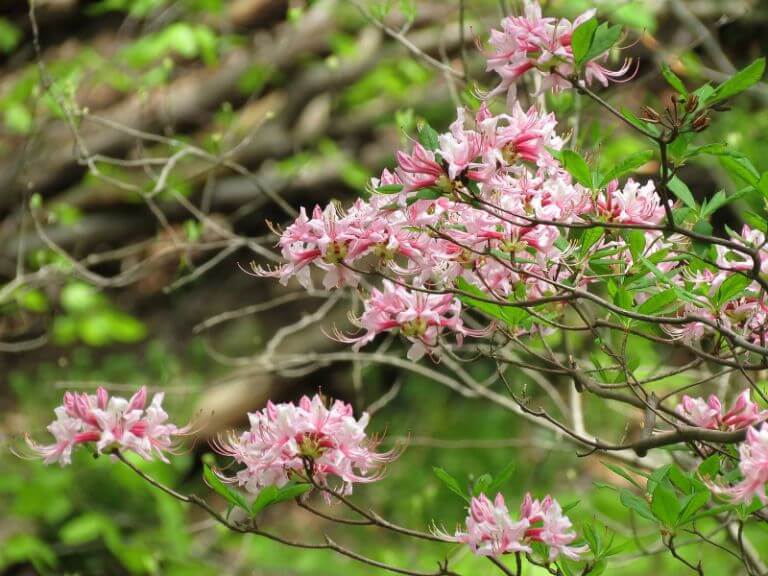
Walk around and note sun and shade patterns throughout the day. Morning sun hits different spots than afternoon sun.
Sun-loving plants need at least 6 hours of direct sunlight. Shade plants will burn if you stick them in full sun. Sounds obvious, but it’s one of the most common landscaping mistakes.
Eastern Suburbs properties get afternoon westerly heat in summer, salt-laden easterly winds, and coastal fog. Choose plant species that handle those conditions.
Native plants generally handle our climate better than exotic species. Less watering, less maintenance, better survival rates.
When planning your garden design, group plants with similar water and sun needs together. Makes irrigation easier, and everything grows better.
Think About What Adds Value (And What Doesn’t)
Quality landscaping adds 10% to 15% to property values in Sydney’s Eastern Suburbs. Some research says up to 28% if done really well. But a neglected garden can reduce your property value by 5% to 15%.
That’s a massive swing.
Not all landscaping improvements deliver the same return, though. A $150,000 pool might not add $150,000 to your property value. Context matters.
What Eastern Suburbs Buyers Actually Want
Features that add value around here:
- Level lawns for kids to play on
- Established trees and mature plantings
- Outdoor entertaining areas with weather protection
- Privacy screening from neighbours
- Low maintenance appeal
Don’t sacrifice off-street parking to create more garden space. Parking wins every time in this market.
Deciduous trees provide summer shade and winter sun. That’s valuable. Large trees take decades to establish, so properties with mature trees command premium prices.
Think about creating distinct outdoor spaces, such as a focal point that draws the eye. It could be a water feature, a beautiful specimen tree, or a well-designed seating area. These add interest to the entire garden.
Start Your Landscaping Project at the Right Time
The best time for landscaping work in Sydney is autumn (March to May). Mild temperatures, less rain than spring, plants establish before winter hits, and contractors are usually available.
Early spring (August to September) works too. Good for planting since plants establish themselves through the summer. It can be wet, though, which delays work.
Avoid mid-summer. Heat stress kills new plants, and working in that heat is brutal.
Winter’s not ideal either, as the cold slows plant establishment. Wet weather delays everything, especially excavation and concreting.
Allow 20% extra time if you’re starting in winter. The rain stops work.
Hire Qualified People Who Know What They’re Doing
Not all landscapers are equal. Neither are drainage specialists.
Who You Need on Your Team
Licensed Landscaper
For overall project management and garden design. Check their NSW Fair Trading license. Verify public liability insurance (minimum $10 million) and workers’ comp. Look at their portfolio of similar work in the Eastern Suburbs.
Drainage Specialist or Licensed Plumber
For underground infrastructure work. Need someone who knows Sydney Water requirements. We specialise in pre-work CCTV inspections, pipe relining, tree root removal, and drainage solutions. Years of experience across Eastern Suburbs means we know what to expect with older properties.
Qualified arborist (Level 5)
If you’re dealing with tree work. They prepare reports councils require and have proper insurance for tree removal.
Engineer
For retaining walls over 1 metre or major structural work.
Get at least 3 detailed quotes, including the full scope of work, itemised pricing, timeline, payment schedule, and warranties. If you can, ask for references from recent Eastern Suburbs jobs.
What To Avoid:
Watch out for:
- No site visit before quoting
- Cash-only operators
- Pressure for huge upfront deposits (10% to 20% is standard)
- No mention of council approvals or pipe checks
- Won’t provide references or insurance proof
- One contractor claims they can handle everything without specialists
Start Underground, Build Upward
We see this stuff every day. Homeowners are excited about their new garden, landscapers are booked, and the design looks great. Then someone finds a cracked pipe or tree roots halfway through the sewer line, and everything stops.
Fixing pipes during a landscaping job costs $8,000 to $25,000+. Fixing them before work starts costs a fraction of that. Plus, your landscaping actually happens on schedule.
We’re in Bondi, Randwick, Woollahra, all through the Eastern Suburbs. We do these inspections every week. Takes about an hour: you get footage of your pipes and know what you’re working with.
If you’re planning landscaping, give us a call before you start. We’ll check your pipes, tell you what we find, and you can plan from there.
Back to Top