

There’s a lot to love about living in Sydney’s Eastern Suburbs. The federation terraces through Paddington, the Art Deco apartments around Bondi and Randwick, and the heritage homes in Woollahra.
But if your home was built before the 1980s, your plumbing systems could be quietly affecting your family’s health.
Australia only stopped using terracotta pipes as the standard roughly 40 years ago. That means most older Eastern Suburbs homes still have their original clay, cast-iron, or galvanised-steel pipes underground. When these materials degrade, the health risks go well beyond a slow-draining sink.
Here’s what to look out for and what you can do about it.
What’s in Your Pipes? Common Materials in Older Eastern Suburbs Homes
| Pipe Material | Common Era | Typical Use | Key Health Risk |
| Terracotta (clay) | Pre-1980s | Sewer and stormwater drains | Joints crack over time, allowing tree root intrusion, soil ingress, and sewage leaks |
| Galvanised steel | Pre-1960s | Internal water supply | Zinc coating corrodes, exposing bare steel to rust and mineral buildup that contaminates tap water |
| Cast iron | Pre-1970s | Sewer and waste lines | Corrodes from the inside out, especially in coastal suburbs like Coogee, Maroubra, and Bronte, where salt air accelerates deterioration |
| Copper with lead solder | 1950s–1989 | Internal water supply | Lead-based solder in pipe joints can leach lead into your home’s water supply. Banned in 1989, but still present in many older homes |
| Asbestos cement | 1920s–1970s | Water mains and some drainage | Disturbing these exposed pipes during renovations can release harmful fibres |
If your home is in Randwick, Paddington, Woollahra, or anywhere else in the Eastern Suburbs and was built before the 1980s, there’s a strong chance one or more of these materials is still in your plumbing system.
5 Health Risks From Ageing Plumbing Systems
1. Heavy Metal Contamination in Drinking Water
Corroded pipes don’t just cause blockages and leaks. They can also leach harmful contaminants directly into your drinking water. Galvanised steel pipes release iron, zinc and cadmium as they deteriorate, copper pipes with pH imbalances shed excess copper ions that cause gastrointestinal issues, and lead solder used in pre-1989 joints poses a serious exposure risk (particularly for children and pregnant women).
What makes lead especially dangerous is that you can’t taste or smell it, so the only way to know it’s there is to test for it. Australian health authorities recommend flushing your cold-water taps for at least 30 seconds each morning to clear out any metals that may have built up overnight. It’s also worth using cold water for drinking and cooking, since hot water can speed up leaching from older pipes.
But these are temporary fixes for what could be a long-term plumbing problem in your home.
2. Bacterial Growth and Waterborne Pathogens
Cracked or corroded pipes create pockets of stagnant water inside your plumbing infrastructure. These pockets are ideal breeding grounds for bacteria, including E. coli and Legionella. Internal corrosion and sediment buildup create rough surfaces that harbour harmful contaminants, and once they take hold, normal water flow won’t flush them out.
Compromised sewer lines can also allow cross-contamination between wastewater and your clean water supply. If you’ve noticed foul-smelling water or unexplained stomach issues in your household, then old pipes may be to blame.
3. Mould and Respiratory Health Issues
Even a slow, undetected leak behind a wall or under a slab creates persistent moisture, and that’s all mould needs to take hold. Once it spreads, mould spores become airborne and can trigger allergic reactions, asthma attacks and chronic lung irritation, especially in households with young children or elderly residents.
Older Eastern Suburbs homes with sandstone foundations and subfloor areas are particularly prone to this. These materials hold moisture from leaky pipes, giving mould the perfect conditions to spread well beyond the original leak. The plumbing issue might be out of sight, but the health effects usually aren’t.
4. Sewer Gas Exposure
Degraded pipe joints and failing sewer lines can allow hydrogen sulphide and methane to seep into your living spaces. Even at low levels, these gases cause headaches, nausea, dizziness and fatigue, and prolonged exposure can pose more serious risks to your respiratory health.
The biggest giveaway is a persistent rotten-egg smell indoors. If you’re noticing it, it usually points to compromised pipes that need professional attention sooner rather than later.
5. Pest Infestations from Broken Pipes
Broken sewer and stormwater pipes create entry points for cockroaches, rats and other pests that carry disease, while standing water from plumbing failures attracts mosquitoes.
Old pipes with cracks or collapsed sections provide an open path for pests to enter your home from underground. It’s one of those problems that most people don’t connect to their plumbing until an inspection reveals the source.
Warning Signs Your Pipes May Be Affecting Your Health
If you’re noticing two or more of these signs, it’s worth getting your pipes professionally inspected:
- Discoloured water with a brown, yellow, or reddish tint
- Metallic taste or foul-smelling water from your taps
- Persistent musty or sewage smells indoors
- Recurring respiratory issues or unexplained illness in household members
- Visible mould growth near plumbing fixtures or on walls and ceilings
- Frequent drain blockages, constant dripping, or slow-draining fixtures
- Unexplained increase in water usage on your bills (indicating hidden leaks)
- Diminished water pressure throughout the home
- Home built before 1980 with no record of pipe upgrades or outdated fixtures still in place
Why This Matters More in the Eastern Suburbs
The Eastern Suburbs has a unique combination of factors that make ageing plumbing a bigger health risk here than almost anywhere else in Sydney.
Most of the housing stock dates back decades, and the majority of these properties still have their original clay sewer pipes, many now 60 to 100-plus years old. Add coastal salt air that accelerates corrosion and mature trees pushing roots into degraded joints, and you’ve got the perfect conditions for plumbing problems.
Heritage listing constraints in parts of the Eastern Suburbs can also make traditional excavation difficult or prohibited. And in many strata buildings, shared plumbing systems mean a compromised pipe can affect water quality across multiple units, making regular inspections essential.
What You Can Do to Protect Your Family
Get a CCTV Drain Inspection
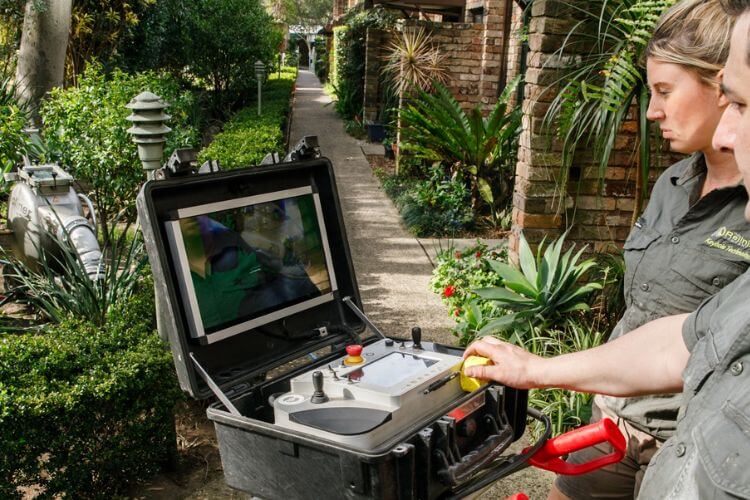
This is the most effective way to understand the condition of your pipes without excavation. A camera inspection reveals cracks, tree roots, pipe corrosion, and joint failures before they become health hazards. The Relining Company offers free CCTV inspections with every quote.
Test Your Water Quality
If you suspect contamination from old pipes, arrange a water quality test through Sydney Water or a private lab. Focus on lead, copper, and bacterial counts. Installing a whole-house water filter is another effective step to protect your household from harmful contaminants while you investigate further.
Upgrade Outdated Materials
Rather than costly repairs through comprehensive pipe replacement and extensive excavation, trenchless pipe relining creates a new pipe inside the old one. Modern materials like the Brawoliner liner we use have a 50-year life expectancy and come with our 35-year warranty.
Upgrading to modern materials, such as PEX piping, for water supply lines is also an option for older plumbing systems. Both solutions eliminate the cracks that allow bacteria, sewer gas, and tree roots into your system, and they’re far more cost-effective than full pipe replacement.
Don’t Rely On Temporary Fixes
Avoid harsh chemical drain cleaners as they accelerate pipe corrosion in outdated plumbing systems. Small symptoms such as discoloured water, recurring blockages, and unexplained odours often point to larger plumbing problems below the surface that require a permanent solution.
Protect Your Home and Your Family’s Health
Your home’s plumbing is out of sight, but the health effects of old pipes shouldn’t be out of mind. Eastern Suburbs homes are particularly vulnerable due to their age, the use of outdated construction materials, and the coastal environment. The best first step is understanding what’s happening inside your pipes.
Book a free consultation with The Relining Company. We’ll run a CCTV inspection, show you the condition of your pipes, and give you a clear, obligation-free quote. Call us or book online today.
FAQs
Can plumbing issues make you sick?
They can. Ageing pipes create conditions that allow contaminants to enter your water and air without you realising. This includes everything from heavy metals in your drinking water to mould spores from hidden leaks behind walls. Households with young children, elderly residents, or anyone with respiratory conditions are most at risk. A CCTV drain inspection is the quickest way to find out whether your pipes are contributing to ongoing health issues.
What does material from old pipe iron do to your health?
As galvanised iron breaks down, the protective zinc layer wears away and the steel underneath rusts. That rust mixes with your water, changing its colour, taste, and safety. Over time, the rough, corroded interior of the pipe also traps organic matter and bacteria. People living with these pipes often report stomach upsets and skin irritation without connecting it to their plumbing.
Which toxic substance can be found in the water of buildings with old plumbing systems?
Lead is the primary concern. It’s impossible to detect by taste or smell, which is what makes it so dangerous. In Australian homes, the most common source is lead-based solder in copper pipe joints installed before 1989.
Water that sits in these pipes overnight absorbs higher concentrations, so first-morning tap water carries the greatest risk. Children are particularly vulnerable because even low-level exposure can affect brain development.
What is the 135 rule in plumbing?
This rule sets the maximum bend angle for horizontal drainage pipes. Any change in direction sharper than 135 degrees can trap waste and slow drainage, leading to recurring blockages. It’s a particular problem in older homes where original pipe layouts don’t meet current standards. If your drains keep blocking despite regular clearing, the issue may be structural rather than just a buildup of debris.
Back to Top