

Your pool is losing water. Again.
You’ve topped it up three times this week. Your water bill is climbing. And you’re starting to wonder if you’ve got a serious problem.
You probably do. Pool leaks cost Sydney homeowners $500 to $1,200 a year in wasted water. That’s before you factor in damage to your pool shell or the cost to fix broken pipes underneath.
We’ve fixed pool leaks across Sydney’s Eastern Suburbs for 15 years. We’ve seen every type of leaking pool. And we know most pool owners can spot common pool leaks early and fix them without ripping up their entire yard.
Does Your Pool Actually Have a Leak?
Sydney pools lose water to evaporation. But there’s a difference between normal evaporation and a real leak.
The Bucket Test
This is the simplest pool leak detection method that exists.
Fill a bucket with pool water. Mark the water level inside the bucket and put the bucket on your pool step (weight it down so it doesn’t float). Mark the pool’s water level on the outside of the bucket.
Wait 24 hours and don’t use the pool. You can then compare the two water levels. If your pool dropped more than two inches compared to the bucket, you’ve got a leak. Water loss over 6mm per day means you need professional leak detection.
5 Signs You Have Underground Pool Pipe Leaks
Watch for these:
- Water loss when your pool pump runs (but not when it’s off)
- Air bubbles in your return lines or pool pump
- Wet spots in your yard near pool equipment
- Structural cracks in concrete pools or around the pool area
- Pool level drops constantly no matter how often you top it up
If you’re seeing any of this, you’ve got a leak somewhere. Video camera inspection can pinpoint leaks quickly without guessing.
The 5 Most Common Pool Leaks
1 – Underground Return Line Leaks
Return lines are pressurised pipes that send filtered water from your pool pump and pool heater back into your swimming pool. They run constantly when your system’s on. That makes them vulnerable.
Why it happens here: Sydney’s Eastern Suburbs sit on clay soil. Clay expands and contracts with weather changes. That movement destroys older pools, especially ones built before 2000. Add in tree roots from mature gardens in Vaucluse and Rose Bay, and you get broken pipes.
How you know it’s return lines:
- Water only disappears when the pool pump is running
- Weak water pressure at your return jets
- Air bubbles in return lines
- Your pool equipment struggles to circulate water properly
Traditional fix: Generally quoted at anywhere from $3,000 to $8,000. The process involves jack-hammering through pool decking, removing pavers, and excavating around the pipes. It takes 3 to 7 days and requires landscape restoration afterwards.
Better fix: Pipe relining creates a new pipe inside your old pipe. We access underground plumbing through existing points, insert an epoxy liner, and it’s done in one day. Plus, it comes with a 35-year guarantee (and your landscaping stays intact).
2 – Skimmer and Suction Line Leaks
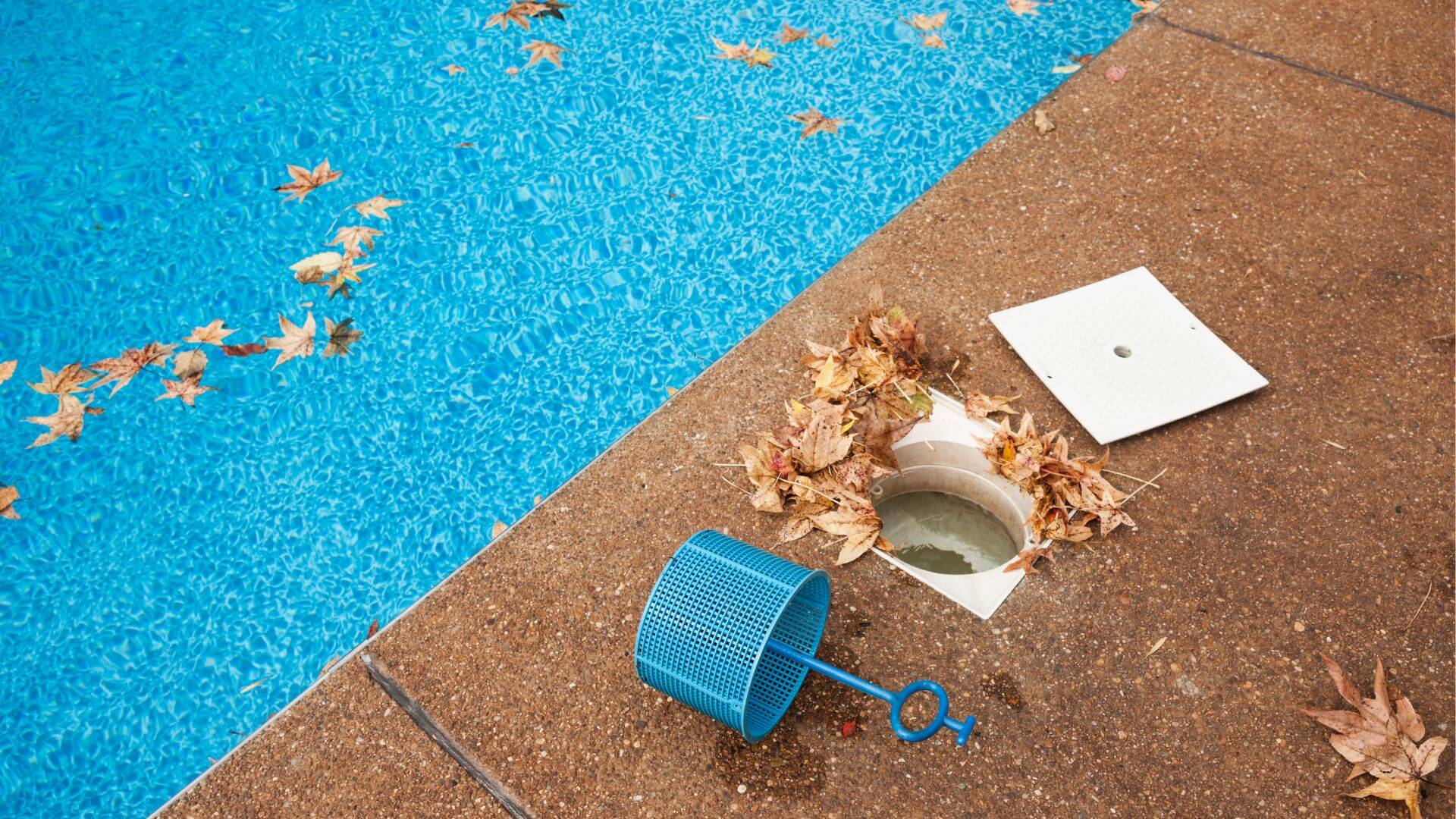
Suction lines pull water from your pool through the skimmer to your pool pump. They work under negative pressure. This causes different problems than return lines.
Why it happens: The connections at skimmer boxes fail in older pools, PVC joints break down over time, and improper installation causes issues years later. When sections collapse, your pool pump loses prime repeatedly.
How you know:
- Pool’s water level drops to the skimmer bottom and stops
- Pool pump keeps losing prime
- You see air in the pump basket
- Wet spots around the skimmer
Traditional fix: Excavate around the skimmer box. Often means replacing the whole unit. For concrete pools with decking, expect $4,000 to $10,000 and the repair taking over a week.
Better fix: We reline from your equipment pad straight to the skimmer. Your existing skimmer box stays, and we create a leak-proof seal.
3 – Main Drain Line Failures
Your main drain sits at your pool’s deepest point. It handles hydrostatic pressure relief. These underground pipes take more pressure than any other plumbing in your pool’s plumbing system.
Why it fails: Clay soil movement hits the main drains hard. Seasonal expansion and contraction create stress, plus decades of pressure destroy PVC pipes. You get cracked pipes and structural leaks.
How you know:
- Water disappears whether your pool pump is on or off
- Wet spots far from your pool equipment
- Pool water drops below the skimmer (worse than typical swimming pool leaks)
Traditional fix: Main drains often run under your pool shell. Standard repairs mean draining your swimming pool, jack-hammering through the pool floor and reconstruction that costs $8,000 to $15,000. If you’re a vinyl liner pool owner, you might need a complete liner replacement.
Better fix: We access through the existing drain, so there is no need to drain your pool in most cases. Our pipe relining reinforces structural integrity without excavation. It’s a permanent repair that stops hidden leaks before they damage your pool foundation.
4 – Equipment Pad Connection Leaks
These are the spots where underground pipes meet your pool pump, filter, and pool heater. Multiple connection points mean multiple ways things can go wrong. Some light leaks are visible, while others hide underground.
Why it happens: Pool equipment vibrates constantly. Your pool heater expands and contracts with temperature.
Improper installation in the 1990s pools is common. Loose fittings and cracked connections start small and get worse over time.
How you know:
- Water pools near pool equipment
- Damp patches stay even when pool pump is off
- Equipment doesn’t work as well as it should
- Corrosion on equipment bases
The problem with quick fixes: Most pool owners try re-gluing joints or tightening loose fittings. These fixes fail within months. Why? Because the real problem (damaged underground pipes past the connection) never gets addressed.
Better fix: We extend an epoxy liner through the connection points. Creates one seamless system from the equipment pad into underground plumbing. Fixes the actual cause, not just what you can see above ground.
5 – Pool-to-Spa Line Leaks
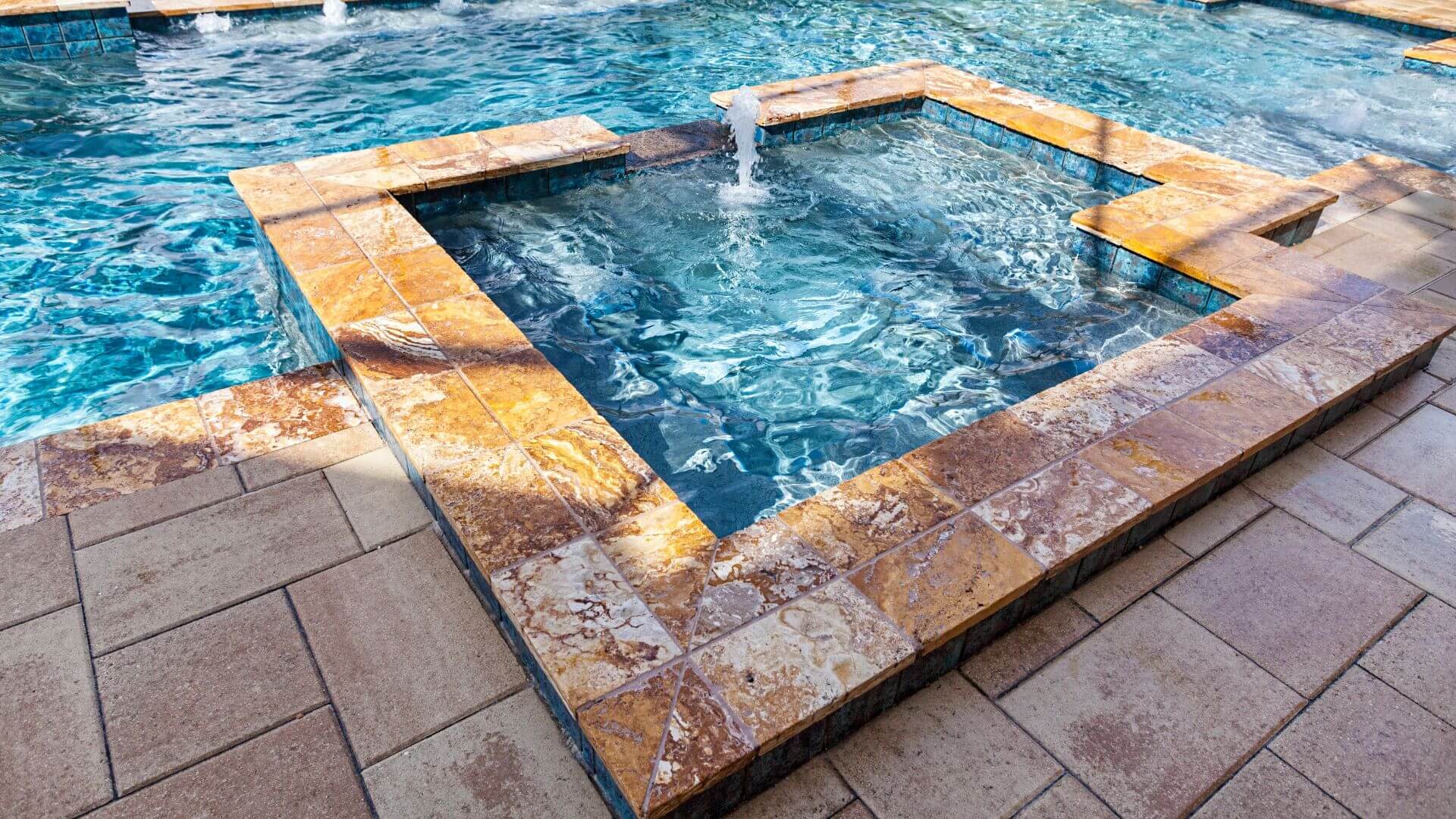
Combined pool and spa setups use dedicated lines connecting them. Complex valve setups make these vulnerable to plumbing leaks.
Why it’s common: The Eastern Suburbs have alot of pool/spa combinations. Double Bay, Bellevue Hill, Bronte (these areas are full of them). Each valve is a potential failure point. More connections mean more problems.
How you know:
- Water loss jumps when you run spa mode
- Spa jets underperform or pull air
- Valve area stays damp
- Spa won’t hold temperature
Traditional fix: Requires multiple dig sites to reach all connection points. Commercial pools and fancy residential setups run $5,000 to $12,000 in excavation. Plus, you destroy multiple landscape areas.
Better fix: We reline multiple sections in one visit. All valves keep working, all leaks stop, and costs roughly $3,000 to $6,000 (half the price). Your landscaping stays perfect.
Why Pipe Relining Beats Excavation
Problems with Excavation
- Destroys landscaping, pool decking, pavers, and gardens
- Costs more because of labour plus full restoration
- Takes 5 to 7 days minimum, often two weeks
- Unpredictable (might find more problems once you start digging)
- Turns your property into a construction zone
How Pipe Relining Works
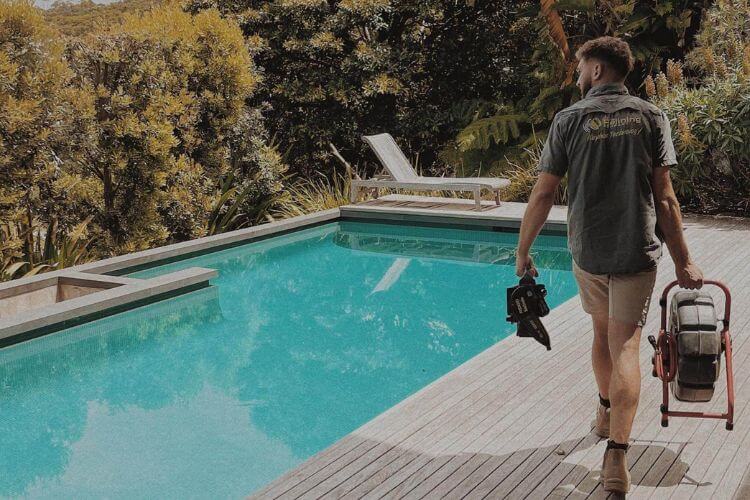
We start with a video inspection to find the exact damage location. Then we use high-pressure water jets to clean out any debris and tree roots. Once the pipe is clean, we insert an epoxy resin liner that inflates against the pipe walls. The liner cures in 4 to 6 hours, creating a new pipe inside your old one. We finish with a final inspection to confirm everything’s leak-free.
What You Actually Get
- One day completion
- No excavation (landscaping stays untouched)
- 35 year guarantee (traditional pool repairs get 1 to 5 years)
- 30 to 50% cheaper than excavation and restoration
- Environmentally friendly (less waste, no tree removal)
What about small pipes?
Yes. Our technology works on 40mm to 450mm diameter pipes. That covers all pool plumbing.
The Repair Process
Initial Consultation
We start with a phone assessment of your symptoms, on-site pressure testing at suspected leak areas, and video camera inspection for the exact location. We will then provide you with a transparent quote (with no hidden fees!)
Relining Day
We ensure minimal disruption (be home or not, your choice). You can usually keep using your pool filter while we work, and the job will be done by early afternoon.
After We’re Done
Before we pack up, we run full pressure tests to make sure everything’s sealed properly. You’ll get your 35 year warranty documentation, and we include a follow-up inspection.
We’ve done over 200 pool pipe relining jobs across the Eastern Suburbs. Bondi, Coogee, Randwick (we know the older pool infrastructure). We understand local clay soil conditions, and there is no doubt we’ve seen your pool’s exact problem before.
How to Prevent Pool Leaks
Catching issues early saves you from costly repairs. Here’s what helps:
- Annual pressure testing for pools over 15 years old
- Monitor water bills for unexplained jumps
- Video inspections every 5 years for underground pipes
- Address tree root intrusion early (common in Eastern Suburbs)
- Keep records of your pool plumbing layout
- Consider preventive relining before cracks become failures
Sydney’s clay soil is tough on underground pipes. Pools built before 2000 are especially vulnerable to structural damage from seasonal ground movement. Catch small leak problems before they become big ones.
Get Your Pool Leak Fixed Without the Excavation Nightmare
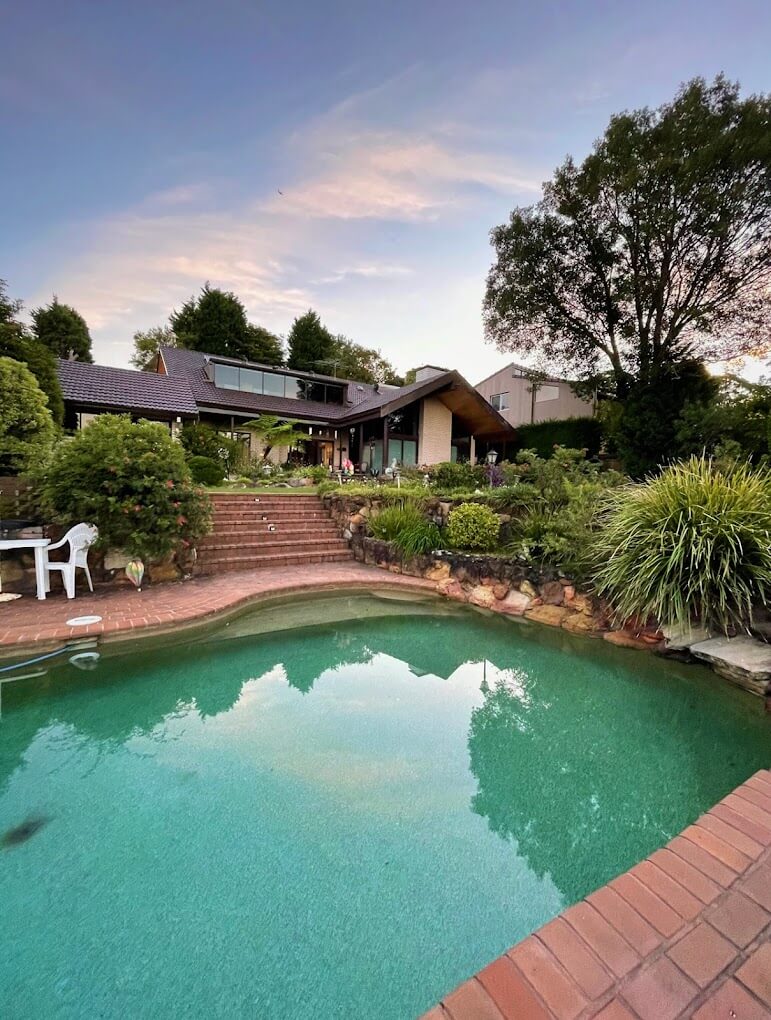
The most common pool leaks don’t need excavation anymore. Pool leak detection has improved. Pipe relining technology has improved. You can fix pool leaks fast, permanently, and without destroying your property.
A small leak in your return line today becomes structural damage to your pool shell in six months. Water loss, waste compounds, and underground pipes deteriorate faster once they start leaking.
Most pool owners in the Eastern Suburbs discover leaks too late. They’ve already wasted thousands on water bills, have soggy patches destroying their landscaping, and face expensive emergency pool repairs.
Don’t wait until your pool pump stops working or your pool level drops below the skimmer. Run the bucket test this weekend. Look for wet spots near pool equipment. Watch your water bills. Notice if your pool is leaking more than usual, evaporation would explain.
Call us to have your pool pipes repaired quickly, simply and the right way. We’ll tell you exactly what’s wrong, how to fix it, and what it’ll cost. No surprises. No hidden fees. Just honest advice from people who’ve fixed every type of leaking pool Sydney has to offer.
Back to Top