

What Is an Invasive Root System?
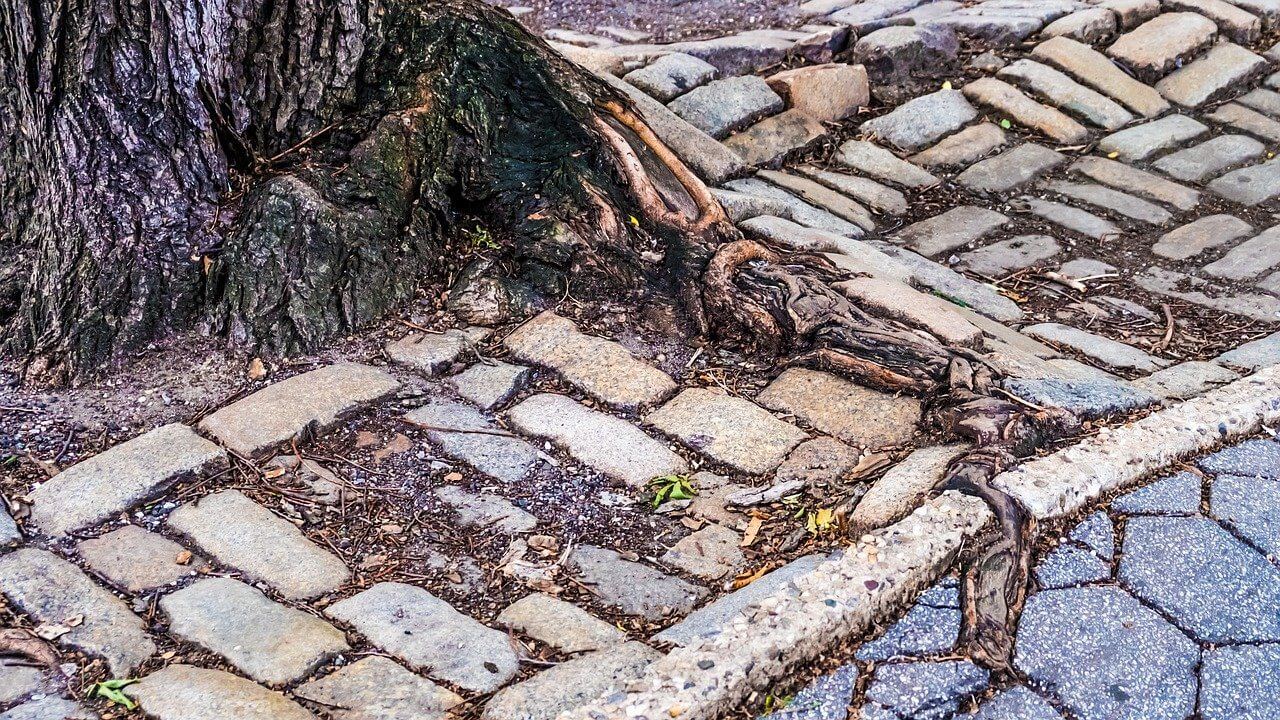
An invasive root system is one that spreads aggressively beyond the tree’s canopy, grows close to the surface, and forces its way into underground infrastructure like sewer pipes, stormwater drains, foundations, and retaining walls. Not every large tree has an invasive root system. What separates an invasive root system from a normal one is the combination of rapid lateral spread, a strong attraction to moisture, and enough physical strength to crack through pipe joints, concrete, and clay.
Trees with invasive root systems cause damage because their roots are constantly searching for water and nutrients. When they detect even a hairline crack in a pipe or a loose joint, they grow toward it. Once inside, they feed on the steady moisture and expand until the pipe is partially or fully blocked. In Sydney, where older suburbs still have clay and terracotta drainage pipes, this is one of the most common causes of recurring drain blockages.
If you live in Sydney, you’ll know the city is full of leafy streets, parks, and backyards shaded by trees that have been growing for decades. That greenery is part of what makes the city great, but it also means a lot of properties are sitting on top of pipe networks that tree roots have been quietly working their way into for years. Below, we look at the 18 Sydney trees most likely to block your sewer lines or stormwater drains, and how to fix the damage without digging up your yard.
The root systems of some species can extend 20 to 40 metres from the trunk, which means a tree planted at the back of your yard can still reach pipes running under your driveway or front garden. That’s why understanding which trees have invasive root systems matters, even if the tree looks like it’s nowhere near your drains.
It’s worth noting that not every tree is a problem. Plenty of species have non-invasive root systems with shallow roots that stay close to the trunk and don’t go searching for water underground. If you’re planning new planting or replacing a problem tree, choosing a species with a non-invasive root system can save you thousands in tree root damage and repair costs down the line. We cover the best pipe-safe trees with non-invasive roots further down this page.
How Do Invasive Roots Damage Pipes and Drains?
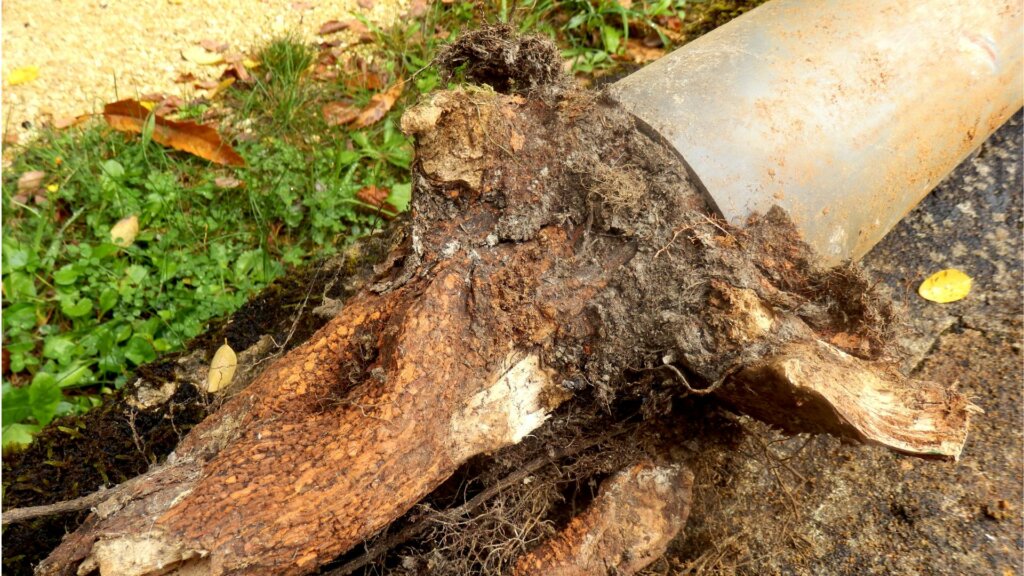
Tree roots are drawn to the constant moisture and nutrients inside sewer and stormwater pipes. Even the smallest crack or loose joint releases vapour into the surrounding soil, and nearby roots will grow toward it. Once a root finds its way in, it grows rapidly, feeding on the steady water source and expanding until it causes a partial or total blockage.
What starts as a small root intrusion can become a full obstruction in as little as 6 to 12 months. And if left untreated, the pressure from expanding roots can crack or collapse the pipe entirely. The longer it goes unaddressed, the worse and more expensive the damage becomes.
This is especially common in older suburbs like the North Shore, Inner West, and Eastern Suburbs, where mature trees with invasive root systems sit alongside ageing clay pipe networks that were never designed to resist root intrusion. Tree root damage to these older pipes is one of the most frequent repair jobs we see, and in many cases, the homeowner had no idea the roots had spread that far until something backed up.
What are the Warning Signs Your Drain is Blocked by Tree Roots?
If you have trees with invasive root systems on or near your property, these are the signs to watch for.
Slow-draining sinks, showers, or toilets
When water takes longer than usual to drain, it could mean tree roots are partially blocking the flow inside your pipes. If it’s not dealt with early, the roots grow thicker and create a tangled barrier that traps debris, grease, and waste, leading to even slower drainage or a burst pipe over time.
Gurgling sounds from drains
Hearing bubbling or gurgling when you flush or drain water? That usually means there’s trapped air struggling to get past a root blockage deeper in the system.
Sewage odours in your yard
Persistent bad smells around outdoor drains or inspection points often point to cracked pipes leaking wastewater into the soil. Tree roots thrive in these nutrient-rich leaks, which worsens the damage and deepens the blockage.
Recurring blockages that keep coming back
If you’ve had your drain cleared more than once but the blockage returns, you’re likely dealing with root regrowth. Standard drain cleaning only removes the symptom. The roots themselves don’t stop, they keep growing back.
Patches of extra green grass
An unusually lush or fast-growing patch of lawn is often caused by leaking wastewater fertilising the soil above a cracked pipe. That leak then creates a perfect entry point for more roots seeking moisture.
Wet spots or sinkholes in yard
An area that’s constantly damp or sunken can mean there’s a significant break in your underground pipes. As water escapes, it softens the surrounding soil, creating a kind of mini sinkhole and an open invitation for root invasion.
If you’ve noticed one or more of these symptoms and have any of the trees listed below on or near your property, tree roots are very likely the cause.
What are the 3 Worst Trees That Block Drains in Sydney?
Let’s start with Sydney’s worst offenders. These trees are especially dangerous because their aggressive roots actively seek out water sources. In our experience at The Relining Company, these trees are responsible for most of Sydney’s recurring drain blockages and costly pipe repairs.
Camphor Laurel (Cinnamomum camphora)
One of the most common culprits.
Why it’s dangerous for drains: Camphor Laurel trees’ aggressive roots grow fast, and are highly invasive, breaking into pipes in search of moisture.
Level of invasiveness: High
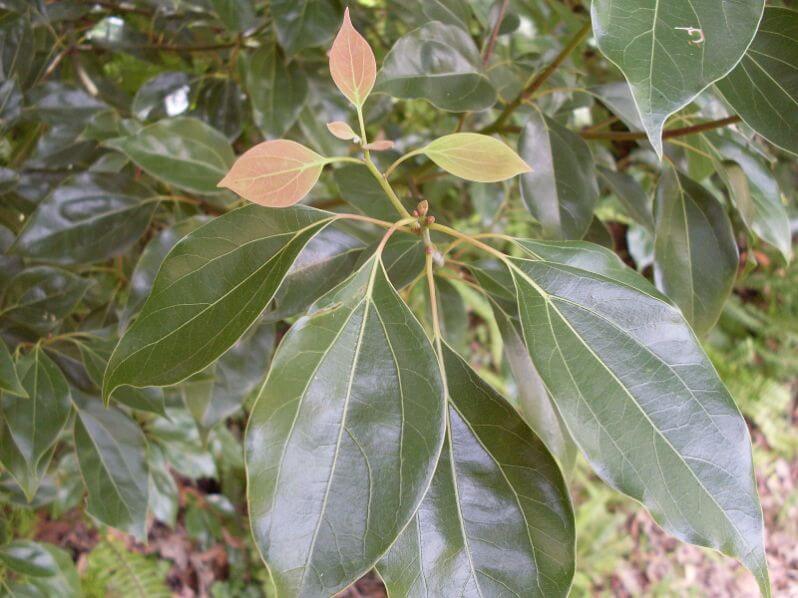
How to identify it: Large, glossy leaves with a strong camphor scent when crushed; dense, spreading canopy. If you have Google Lens, you can use this App to identify it.
What we see: As pipe relining specialists, we remove Camphor Laurel roots from Sydney drains almost daily, especially in older suburbs with established greenery that we mentioned earlier.
Average Root Span: Up to 30 metres
Mini Case: We recently relined 15 metres of sewer pipe, which was completely choked by Camphor laurel roots in Lane Cove on Sydney’s North Shore.
Fig Trees (Ficus family)
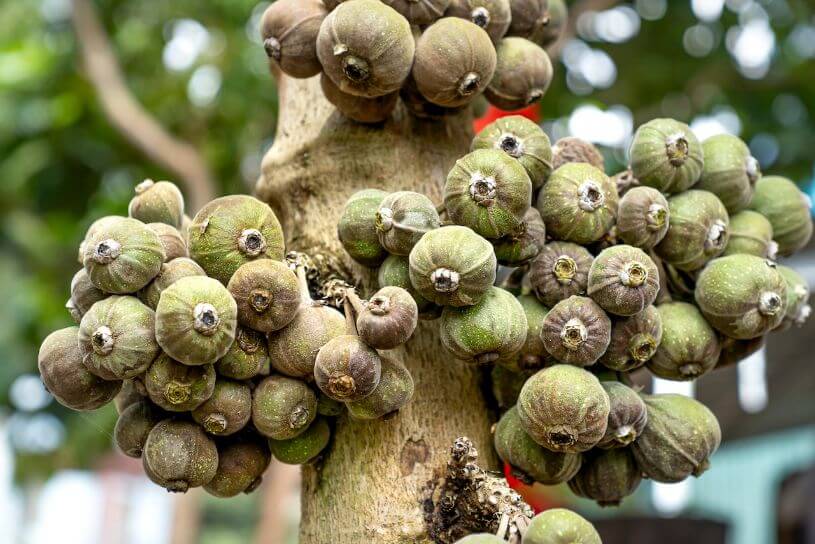
You likely recognise these from some of Sydney’s most famous streets and parks, and while we love this native Australian tree, its massive root growth can quickly become a nightmare for piping.
Why it’s dangerous for drains: Fig trees are massive, especially the older ones. And while they are iconic to Sydney and incredibly beautiful, they are also notorious for their thick, aggressive roots that you have probably tripped over at least once in your lifetime. As you can imagine, they wrap around pipes and are so strong that they force their way through cracks.
Level of invasiveness: Very High
How to identify it: Huge trees, with large buttress roots above ground, and shiny, dark-green leaves.
What we see: We’ve seen entire stormwater systems overtaken by fig roots, particularly in Sydney’s Inner West and North Shore. As a result, several Sydney councils have had to (sadly) completely remove these trees.
Average Root Span: Up to an incredible 40 metres
Mini Case: Our team relined a severely blocked drain in Balmain where fig roots had shattered terracotta pipes beneath a sandstone retaining wall.
Willow Trees (Salix species)
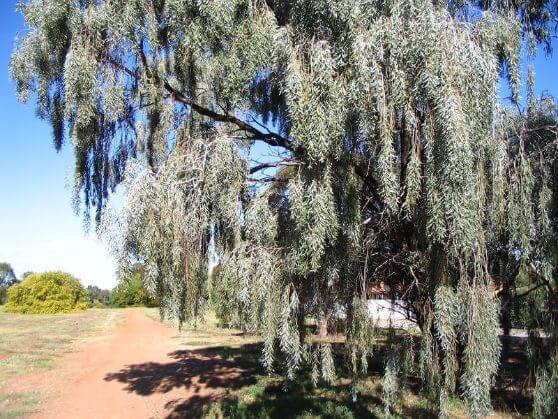
These imported trees, while beautiful, are now considered invasive weeds in many areas.
Why it’s dangerous for drains: Willows thrive on moisture and will aggressively seek out water sources, often invading pipes, septic systems, and even foundations.
Level of invasiveness: Extreme
How to identify it: Long, drooping branches, narrow pointed leaves, and preference for damp soil near creeks or drainage lines.
What we see: Willow roots are a recurring problem in Sydney’s outer suburbs, especially where they’re planted near waterways or stormwater drains.
Average Root Span: 20–25 metres
Mini Case: We relined a blocked sewer line in Penrith after willow roots filled every joint along a 12-metre section.
Have one of these trees? Don’t wait for a blockage or sewage backup. Book a pipe inspection today.
15 More Trees That Block Sydney Drains
While the top three offenders cause the majority of severe pipe blockages, many other suspect tree roots across Sydney are also known for their invasive root systems. Below is a quick reference guide to 15 common trees that can damage your drains.
| Tree Name | Why It’s Dangerous for Drains | Invasiveness Level | Common in Sydney Areas | Average Root Span |
|---|---|---|---|---|
| Illawarra Flame Tree (Brachychiton acerifolius) | Roots spread widely and seek moisture, often damaging older terracotta pipes. | High | North Shore, Northern Beaches | 15–25m |
| Casuarina (She-Oak) | Fine, fibrous roots infiltrate joints and cracks in search of groundwater. | High | Western Sydney, Parramatta | 20m+ |
| Jacaranda (Jacaranda mimosifolia) | Roots follow moisture trails from leaking pipes and expand aggressively. | Medium | Inner West, Eastern Suburbs | 15–20m |
| Sweet Gum (Liquidambar styraciflua) | Strong lateral roots can lift paths and crack underground pipes. | High | Hills District, Hornsby | 25m |
| Eucalyptus (Gum Tree Family) | Deep, thirsty roots cause significant damage to both sewer and stormwater lines. | Extreme | Across Greater Sydney | 30m+ |
| Evergreen Alder (Alnus jorullensis) | Grows rapidly, sending roots into pipes and foundations for moisture. | High | Inner West, Lower North Shore | 20m |
| Pine Trees (Various Species) | Wide-spreading roots invade pipes and disrupt soil stability around plumbing. | High | Blue Mountains, Northern Suburbs | 25–35m |
| Poplar Trees (Populus spp.) | Extremely invasive; roots can regrow from fragments left in soil. | Very High | Western Sydney, Hawkesbury | 30m+ |
| Rubber Tree (Ficus elastica) | Same family as fig trees; thick roots break through drains and pavements. | Very High | Eastern Suburbs, Inner West | 20–25m |
| Coral Tree (Erythrina spp.) | Fast-growing roots spread wide and dominate shallow drainage systems. | High | South Sydney, Botany Bay | 15–20m |
| Chinese Elm (Ulmus parvifolia) | Roots follow pipe joints and expand quickly, cracking concrete and clay pipes. | Medium–High | Northern Beaches, Hornsby | 20m |
| Silky Oak (Grevillea robusta) | Roots chase leaking pipes and can destabilise nearby structures. | Medium | North Shore, Central Coast fringe | 20m |
| Pride of Bolivia (Tipuana tipu) | Highly invasive roots spread rapidly, often lifting concrete and damaging drains. | High | Inner West, Canterbury-Bankstown | 25m |
| Silver Maple (Acer saccharinum) | Shallow, moisture-seeking roots commonly infiltrate sewer systems. | High | Western Sydney, older suburbs | 15–20m |
| Golden Robinia (Robinia pseudoacacia ‘Frisia’) | Fast-growing with strong lateral roots that invade plumbing in search of water. | High | Eastern and Northern Sydney gardens | 15m |
What If You Already Have One of These Trees?
No need to panic, and there’s no cutting down trees or even removing tree roots. Here’s what to do instead:
1. Get a CCTV drain inspection
The best thing you can do is get a professional pipe inspection. This involves using a small, high-definition camera that is fed through your pipes. It shows us (and you) exactly what’s happening underground. It can detect not only full-blown root intrusions, but also minor cracks that pose risks.
- Time: Takes just 30–60 minutes
- Result: You’ll receive video proof and a clear, expert recommendation on what to do next.
2. Consider pipe relining (not tree removal)
You can keep your tree and protect your pipes. Not only that, but there’s no excavation because pipe relining seals cracks from the inside. As a result, it blocks root re-entry and restores full pipe function, all without digging up your yard.
- No excavation or landscaping damage
- Backed by warranty
- Permanent fix that saves thousands
3. Please don’t ignore the problem
Whatever you do, do not ignore it, because things will only get worse. Leaving it too long can lead to:
- Complete sewage backups into your home
- Costly emergency repairs
- Health and property damage from leaks and contamination
Remember, early intervention costs less.
Contact us for an obligation-free consultation before it gets worse.
How Pipe Relining Fixes Tree Root Damage
Pipe relining is gaining in popularity, and it’s easy to see why once you know how it works. Let’s take a closer look at how the no-dig relining process works, so you know exactly what to expect from start to finish.
The process
- CCTV inspection: As stated, the first step is always a CCTV inspection, where we insert a small camera into your pipes to assess and locate the damage caused by tree roots.
- Root removal: Using high-pressure water jetting, we blast out all root intrusions and debris.
- Pipe relining: A durable epoxy liner is inserted, creating a new, seamless pipe inside your old one so roots can’t get back in.
- Quality check: A final camera inspection confirms a perfect seal and smooth flow.
Why relining beats traditional repair
- No digging up your yard, driveway, or garden
- Done in hours, not days
- Stronger than original pipes — root-proof and watertight
- Backed by warranty
- 50–70% cheaper than excavation
- Minimal disruption to your home, garden and everyday routine
What our customers say
“We thought we’d have to dig up our driveway for weeks but The Relining Company fixed it the same day!”
~ Kathy from North Bondi
“Tree roots had blocked our drains three times in three years! After relining, it’s been two years with zero issues.”
~ John from Pymble
“Professional, fast, and no mess. You’d never know we had major pipe work done. I recommend them to anyone, cheers guys.”
~ Lucas from Rozelle
With 20+ years of experience fixing tree root–blocked drains across Sydney, we’ve seen it all, and relining remains the most effective long-term solution.
Book your no-dig pipe relining and protect your home from root damage today.
What Trees WON’T Block Your Drains?
Thankfully, there are plenty of pipe-safe, non-invasive options that not only look great but won’t tunnel into your drains. From over 20+ years of experience dealing with tree root intrusion, here are five of the best tree species with shallow root systems for Sydney homeowners:
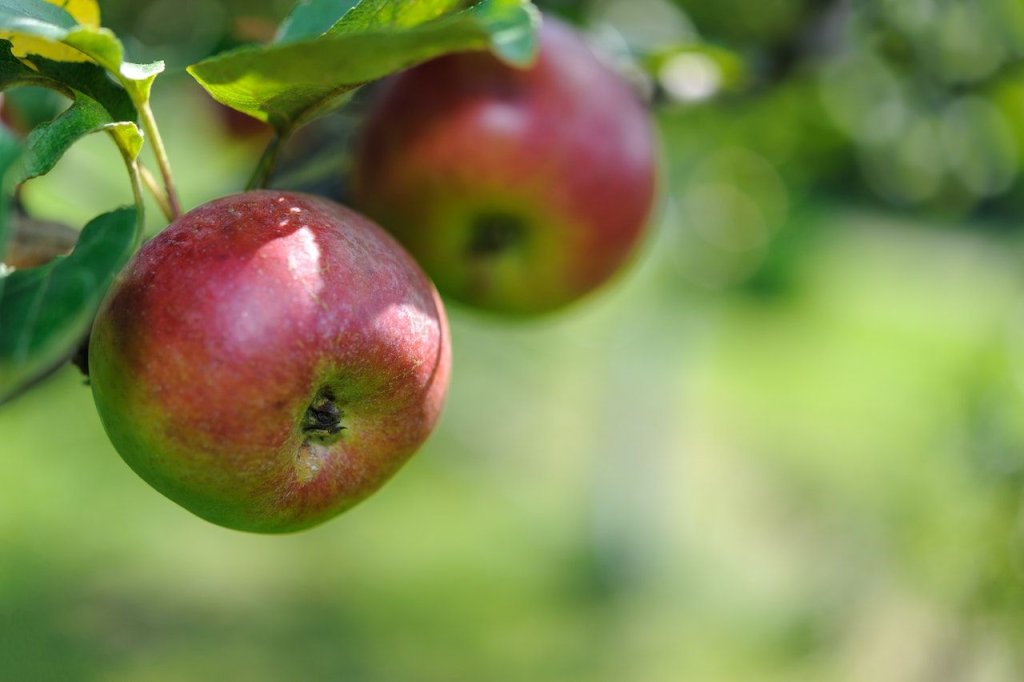
Apple Trees: Compact root systems make them safe for small gardens without threatening your underground pipes.
Feijoa Trees: Feijoas are known for their shallow, non-invasive roots. They also create great screening and are hardy trees that thrive in Sydney’s climate.
Coastal Golden Wattle: A beautiful native with gentle roots that stabilise soil without spreading aggressively toward pipes.
Olive Trees: These Mediterranean trees are slow-growing with contained roots; a stylish, addition to your yard that’s also pipe-friendly.
Bay Trees: Ideal for hedging or pots, bay trees are low risk for pipe intrusion and easy to manage with light pruning.
If you’re thinking of replacing problem trees in Sydney, then these are excellent, drain-safe alternatives to plant trees.
FAQs
How do I know if tree roots are blocking my drain?
Look for slow drains, gurgling noises, or sewage smells coming from your pipes. You might also see wet patches or unusually green grass near drainage lines. A CCTV drain inspection can show exactly where and how tree roots have entered your drain pipes.
Can tree roots damage PVC pipes?
Yes. Even PVC drainage pipes can be affected if there are joints, weak seals, or small cracks. Roots naturally seek moisture and can push into the tiniest openings, eventually splitting or collapsing damaged pipes.
Do I have to remove the tree to fix my drains?
Not at all. With modern pipe relining, you can clear tree roots, repair your pipes, and keep your tree. The epoxy lining forms a seamless barrier inside the old pipe, eliminating the need for excavation or tree removal.
How much does pipe relining cost compared to digging?
Typically, pipe relining costs 50–70% less than traditional excavation. Relining also saves your landscaping and driveways from being dug up, restoring your drainage pipes to full function without disruption.
Will tree roots come back after pipe relining?
No. Once relined, your pipes are completely sealed, meaning roots can’t re-enter. The epoxy resin creates a tough inner layer that’s smoother and stronger than the original pipe. Many homeowners also install a root barrier for extra long-term protection.
How quickly can you fix a tree root blockage?
Most tree root blockages can be assessed and relined within 1–2 days, depending on the severity. Our process includes CCTV inspection, root removal, and relining, restoring your drain pipes to like-new condition.
Which Sydney suburbs have the most tree root problems?
We see the highest number of tree root blocked drains in older, tree-lined regions such as North Shore, Inner West, Eastern Suburbs, Northern Beaches, Ryde, and Parramatta — where mature trees and ageing drainage pipes are most common.
Don’t Wait for a Sewage Disaster
Tree roots are the #1 cause of recurring drain blockages. If you have one of these trees close to your home, and a symptom of slow drainage, then there’s a high probability that tree root intrusion is the culprit. And if you don’t deal with it early, the problem will only worsen, costing you way more in the long run.
Modern pipe relining fixes it permanently without destroying your property. And with 20+ years of experience, no one does relining better in Sydney than The Relining Company.
Back to Top