


If you’ve got a pipe relining job coming up and you’re not sure what to expect before the team arrives, the short answer is that preparation is simple. The pipe relining process is far less disruptive than most people imagine, and your role on the day is pretty minimal. Whether you’re dealing with a damaged pipe, blocked pipes, or deteriorating drainage, here’s what’s worth knowing and doing beforehand so everything runs smoothly.
What Happens on the Day

The team uses a CCTV camera to inspect your pipes, cleans the damaged section with high-pressure water jetting at up to 5,000 PSI, then inserts a resin-coated liner that cures to form a new pipe lining inside the existing pipe. The epoxy resin bonds to the pipe walls and hardens to create a smooth surface that improves water flow and prevents future blockages from tree roots and general buildup. It’s an effective method for repairing damaged pipes without the need to dig them up. Most residential jobs in the Eastern Suburbs wrap up within a day.
What to Do Before Your Pipe Relining Appointment
You don’t need to do much, but a little bit of preparation goes a long way toward keeping the job efficient. Here’s what to sort out before the team arrives.
1. Check for Visible Issues and Note the Problem Areas
Before the team gets there, it’s worth doing a quick walk around your property. Look for visible cracks near pipe access points, damp patches on walls or flooring, or any signs of water damage that might indicate where the problem is concentrated. If you can point the technician straight to the areas of concern when they arrive, it means the thorough inspection can focus on the right spots from the start, and any underlying plumbing problems can be identified early. While you’re at it, make sure the area around your access points is safe and free of any trip hazards.
2. Clear Access to the Work Area
We need to get to your drainage access points. That’s usually an inspection pit, cleanout, or manhole cover, and they tend to be in the backyard, along the side of the house, or near the front boundary.
Take a look the day before. Shift garden furniture, pot plants, bins, whatever’s in the way. If your access runs along a narrow side passage (pretty standard in Paddington and Surry Hills terraces), make sure someone can walk through with gear without having to squeeze past things. If you share a driveway with neighbours in an older block, give them a heads up that there’ll be a van and equipment around for the day. The team needs room to set up equipment for pipe cleaning and liner insertion, so the more space you can clear the better.
And because this is a trenchless pipe repair, you won’t need to move anything structural or dig anything up. Your garden beds, tiles, and driveway all stay intact.
3. Limit Water Use Before the Job
The pipes need to be as clear and dry as possible for the new liner to adhere properly to the pipe walls. Proper cleaning is a critical part of the relining process, and the drier the pipe is beforehand, the better the result. On the morning of the job, avoid running the dishwasher, putting a load of washing on, or taking extra-long showers. The team will let you know if there’s a specific window when you need to stop using water altogether, but keeping usage light in the hours beforehand makes a real difference to how the curing process goes.
4. Notify Your Neighbours
There’s no jackhammer involved, but the jetting equipment does make some noise and the van will be out front for the day. If you share walls with neighbours or you’re in a terrace, let them know. This is especially relevant in the Eastern Suburbs where terrace houses, semis, and older apartment blocks frequently share drainage lines. A quick mention avoids any surprises and keeps things smooth.
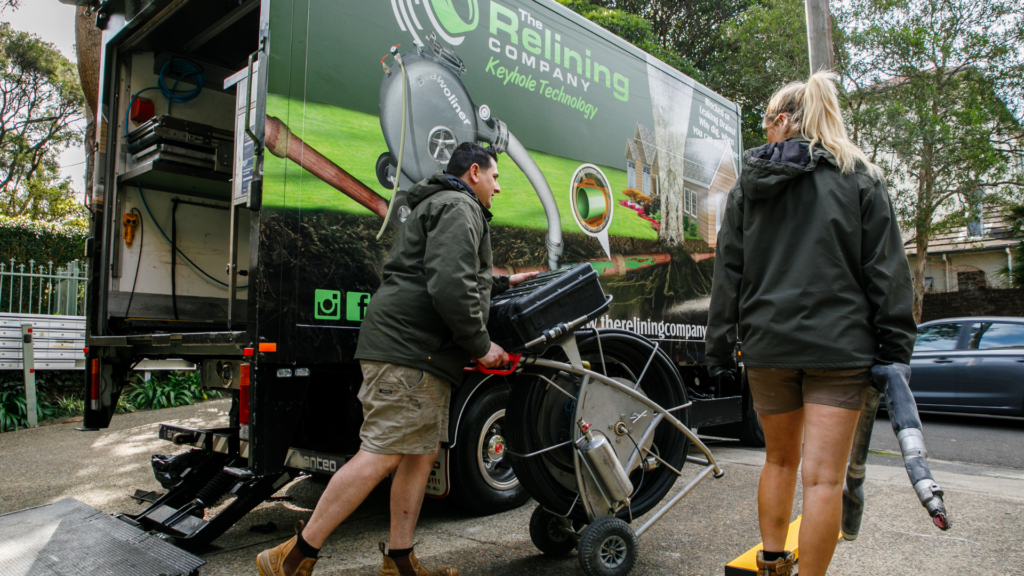
For strata properties, let your building manager know in advance. They may need to notify other residents if there’ll be a temporary disruption to the drainage system across multiple units.
5. Be Prepared for a Short Water Outage
During the relining process, you’ll need to avoid using drains that connect to the section being relined while the liner cures. That’s typically a 3 to 6 hour window, depending on the curing process and the length of pipe involved. Your water supply stays on for most jobs, including hot water, but you won’t be able to use certain sinks, toilets, or showers during that period.
A simple bit of preparation: fill a couple of bottles or a pot with water beforehand for drinking and cooking. In most cases, drains are fully operational the same day.
6. Keep Kids and Pets Clear of the Work Area
Move the dog inside or into a separate part of the yard. The team works with pressurised equipment and open access pits, and it’s just easier if pets and young kids aren’t in the work zone. Eastern Suburbs properties often have smaller courtyards, so it’s worth planning where everyone will be for the day. A closed gate between the work area and the rest of the property usually does the trick.
7. Decide if You Need to Be Home
For the start, yes. We walk you through what the camera finds during the pipe inspection, confirm the scope of the pipe repair, and agree on the plan before anything starts. After that, you don’t need to be there for the whole job, particularly if the work is on outdoor sewer lines. For internal pipes or jobs where the team needs access inside the property, someone should be around.
If you’re in a unit or apartment block, your building manager may need to be involved or on call, so confirm that with us when you book in.
8. Check What’s Included in Your Quote
Before the day, take a few minutes to review your quote and make sure you’re clear on the scope: which sections of pipe are being relined, whether any junction work is included, the warranty period (our standard is a 35-year workmanship guarantee), and whether a post-job CCTV check is part of the package. We include a final inspection with camera footage on every job so you can see exactly what’s been done. If anything’s unclear, call us beforehand and we’ll talk you through it.
9. Keep Basic Emergency Supplies on Hand
It’s worth having a plunger, wrench, and some sealant tape accessible before the team arrives, just in case something needs managing in the lead-up to the job. This is sensible preparation for any plumbing situation, not an expectation that you’ll need to fix anything yourself.
What the Team Will Handle for You
Your role in all of this is minimal. Once the team arrives, they manage everything: the CCTV inspection, high-pressure jetting and pipe cleaning, liner insertion, the curing process, and a final inspection to confirm the pipe liner is positioned correctly and everything is flowing as it should.
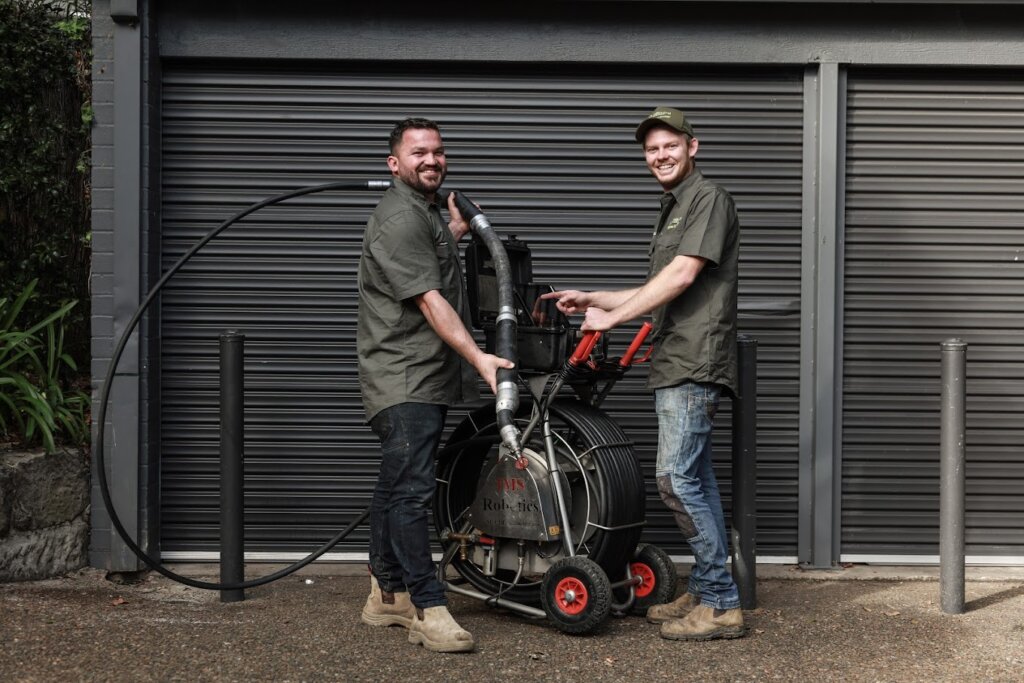
We use Brawoliner, a German-engineered relining system with an epoxy-coated exterior and seamless pipe liner. It’s Australian Watermark approved, has a 50-year life expectancy, and we back every installation with a 35-year workmanship guarantee. Unlike traditional pipe replacement methods that require extensive digging to remove the old pipe entirely, professional pipe relining creates a durable barrier inside the existing pipe with minimal disruption to your property. It’s how pipe relining works as an alternative to traditional methods, and it’s why more homeowners are choosing it over excavation.
Eastern Suburbs-Specific Considerations
Most of our work is in and around the Eastern Suburbs, and after more than 10 years based out of North Bondi, we know the pipe stock in this area well.
Older homes in Paddington, Woollahra, Randwick, and Coogee commonly have clay pipes and terracotta drainage that have been in the ground for decades. These pipe materials deteriorate over time, and they’re often the first to crack, collapse, or get invaded by tree roots. Broken pipes and failing pipe systems in this part of Sydney are more common than most people realise. Large street fig trees along main roads in Paddington and Woollahra are a particularly common cause of root intrusion into underground pipes.
For heritage and character homes where excavation would cause serious damage to original flooring, landscaping, or facades, pipe relining is the preservation-friendly option. It’s one of the biggest benefits of pipe relining for property owners in these areas. There’s no need for extensive digging or traditional excavation methods, and the structural integrity of the property stays intact.
If you’re in a strata building (and many Eastern Suburbs properties are), shared sewer lines running through common property can mean getting strata committee approval before work starts. We work with strata managers regularly and can help coordinate what’s needed, from notifying residents to scheduling around building access.
What to Expect After the Job
In most cases, your drains are operational the same day. The team provides before and after CCTV footage so you can see the result for yourself.
The new lining restores structural integrity to deteriorating pipes and creates a smooth surface that improves flow efficiency and resists future blockages. To keep things running well long-term, avoid flushing wipes or hygiene products, limit grease going down kitchen drains, and consider an annual camera check to stay ahead of any plumbing issues down the track.
Book Your Consultation
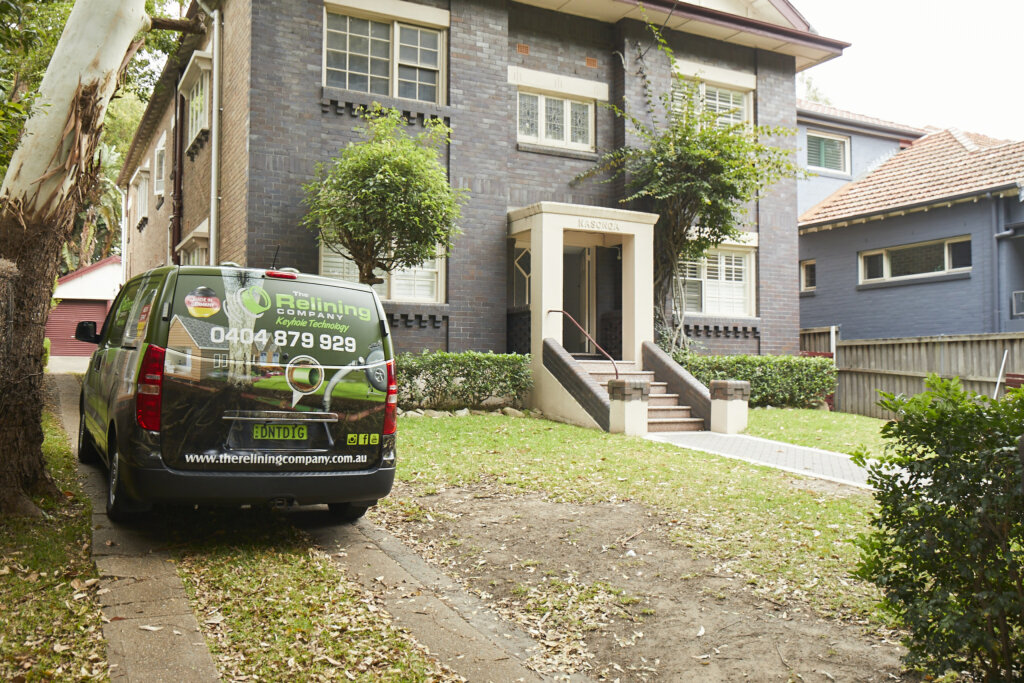
Not sure whether pipe relining is a suitable solution for your plumbing system? We offer a 30-minute on-site consultation where we camera the pipe, run a pipe inspection to assess the damage, and put together a quote on the spot. It’s a cost-effective solution that avoids the disruption and material costs of traditional pipe replacement, and it works on most common pipe materials, including clay pipes, cast iron, PVC, and concrete.
Give us a call on 0404 879 929 to book in.
Back to Top