

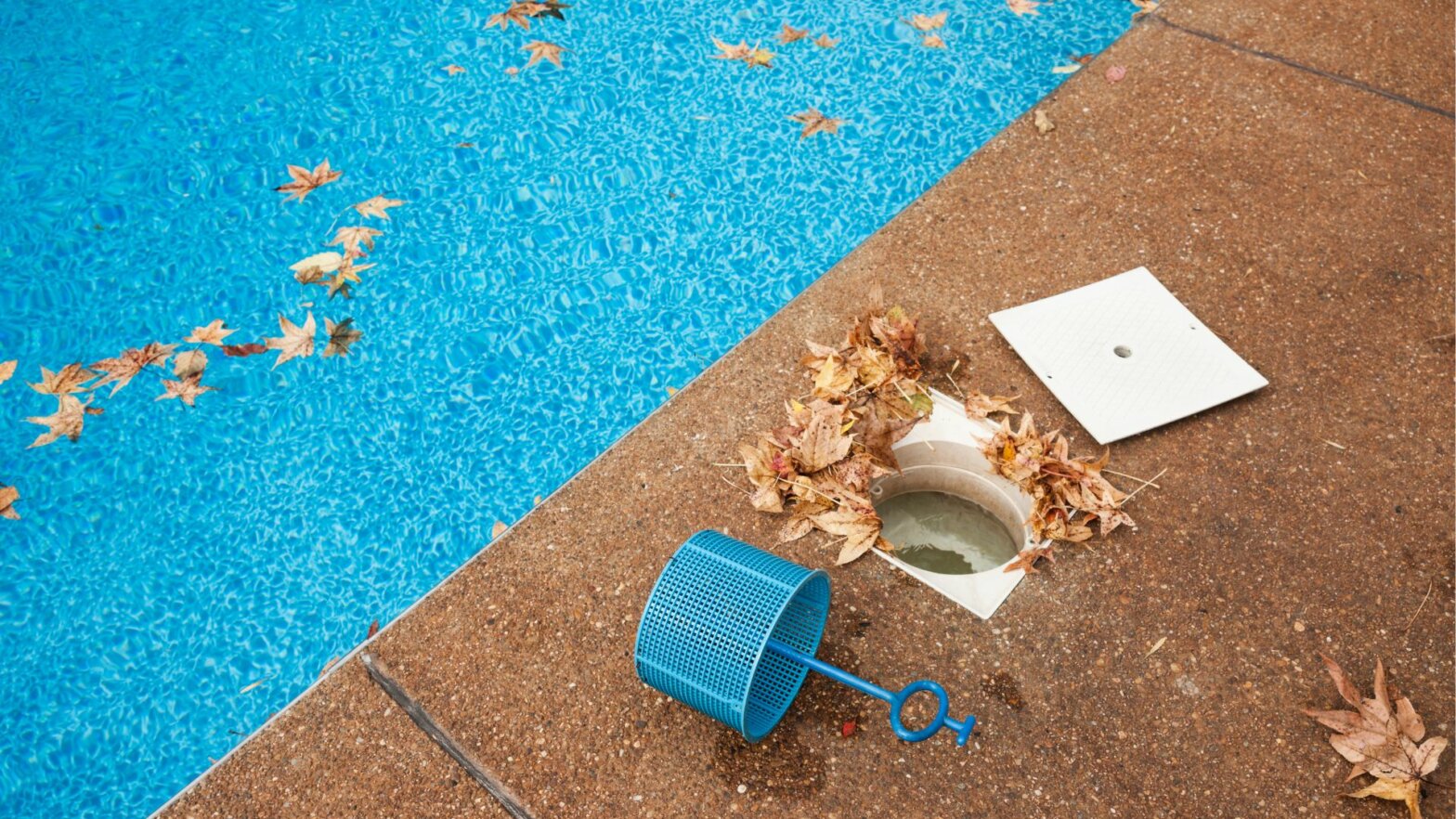
Can You Really Unblock a Drain Naturally?
Natural remedies can help with minor, surface-level blockages caused by grease, soap scum, hair or food residue, but they are not a guaranteed fix for serious drain problems. If your drain keeps getting blocked, multiple fixtures are affected, or if you can smell sewage, the issue is likely deeper in the line and needs a professional diagnosis rather than another round of bicarb and vinegar.
Slow shower, smelly kitchen sink, bathroom basin taking forever to drain. These are common problems for homeowners across Sydney’s Eastern Suburbs, and the instinct to try fixing them yourself first is completely reasonable.
Skip the chemical drain cleaners, though. They can corrode pipe walls, produce fumes, and react dangerously with anything else previously poured down the drain. Natural remedies are safer and, for minor blockages, often all you need.
But the word that matters here is minor. This guide explains which remedy suits which type of blockage, how many attempts are worth making, and when the signs are telling you to stop and call someone.
Which Natural Drain Remedy Should You Try First?
It depends on the drain and what is most likely causing the problem. Here’s a quick reference before you start.
| Remedy | Best For | Not Suitable For |
|---|---|---|
| Hot water (not boiling) | Light grease in kitchen drains | PVC pipes if material unknown, toilets |
| Bicarb and vinegar | Mild residue, odours | Complete blockages, water not draining at all |
| Salt and hot water | Minor grease, mild smells | Roots, foreign objects, repeat blockages |
| Enzyme cleaner | Ongoing organic build-up, maintenance | Emergencies, immediate blockages |
| Plunger | Shallow blockages, soft clogs | Multiple fixtures blocked simultaneously |
| Drain snake or hair removal tool | Hair and debris near the surface | Deep or structural blockages |
| Professional drain cleaning | Recurring, deep or multiple blockages | N/A |
If the water is draining slowly, a gentle remedy is worth trying. If nothing is moving, or the same drain has blocked more than once in the past few months, skip the home remedies and book a drain inspection. Something is going on further down the line.
Check What Type of Blockage You Have Before You Start
The most common mistake is reaching for the same remedy every time, regardless of what caused the problem. Natural remedies dissolve or soften organic material. They cannot move a solid object, kill tree roots or fix a cracked pipe.
So before you do anything, work out which drain is blocked and what is most likely in it.
Kitchen sink: Usually fats, oils and grease. According to Sydney Water’s Save Our Sinks campaign, these solidify inside pipes and combine with other waste to form fatbergs, causing serious blockages. Coffee grounds are another culprit: dense, wet, and they do not dissolve. Food scraps stick to pipe walls and add to the problem.
Shower, bath or bathroom basin: Almost always hair, tangled with soap scum and product residue. These sit close to the drain opening. A drain snake or hair removal tool usually works better here than any liquid.
Laundry drain: Lint, detergent residue and fine fibres. Enzyme cleaners used regularly work well for maintenance.
Toilet: Natural remedies are not the right tool. Most toilet blockages are caused by paper, wipes or foreign objects. None of those dissolve in bicarb and vinegar.
Outdoor or stormwater drain: Clear the grate manually first. If it is still slow, roots or a structural issue are likely involved. This is common in older Eastern Suburbs properties. Natural remedies will not help here.
Multiple drains blocked at once: This points to the main sewer line, not a single drain. Stop DIY attempts and call a plumber.
Natural Remedies for Unblocking Drains
1. Hot Water for Light Grease Build-Up
Hot water is the simplest option for a kitchen sink that is draining slowly because of a light grease build-up. The heat softens grease enough to move it through the pipe.
Pour in stages rather than dumping a full kettle at once. A litre at a time with a short pause between pours works better than one big rush. Use water that is very hot from the tap, not boiling.
A note on PVC pipes: Most Sydney homes built from the 1970s onwards have PVC drainage pipes joined with solvent-welded joints. Boiling water (100°C) causes rapid thermal expansion that stresses these joints. If a partial blockage slows the flow and the heat lingers, the joint can soften, loosen and fail, creating a slow hidden leak inside a wall or floor. Hot tap water (around 55 to 60°C) sits well within the safe range for standard PVC drainage pipe and still works on light grease.
A note on toilets: Do not pour boiling water into a toilet. The thermal shock can crack the porcelain, and the heat can melt the wax ring seal at the base of the toilet, which lets sewer gas into the bathroom.
If the drain does not improve after two or three attempts, move on.
2. Bicarbonate of Soda and Vinegar for Odours and Mild Residue
This is the most popular home remedy. It does have real uses, but it is not the powerful drain cleaner most people think it is.
Here is what actually happens: bicarbonate of soda is a mild base, white vinegar is a weak acid. When they mix, the reaction produces carbon dioxide gas, water and sodium acetate. The fizzing creates brief mechanical agitation that can loosen soft debris on pipe walls and neutralise odours. But the carbon dioxide dissipates within seconds, and what is left is mostly water and a small amount of salt. It will not dissolve grease, destroy hair or shift a solid blockage.
How to use it: Pour half a cup of bicarbonate of soda into the drain, followed by half a cup of white vinegar. Cover the drain opening so the reaction stays in the pipe rather than foaming back out. Wait 20 to 30 minutes, then flush with warm water.
One thing to watch: if water is already pooled and not moving, the mixture will just sit on top and never reach the blockage. Bail out the standing water first.
Used monthly, it is a decent maintenance habit. As a cure for a real blockage, it will usually fall short.
3. Salt and Hot Water for Minor Grease and Smells
Salt acts as a mild abrasive and helps with odours. It is worth trying on a kitchen drain with light grease build-up or a smell that suggests residue near the surface.
Pour half a cup of table salt down the drain, leave it for a few minutes, then flush with hot water. A splash of vinegar after the salt adds a small boost.
This is not a fix for serious blockages, roots or anything that has blocked repeatedly. Think of it as maintenance, not treatment.
4. Enzyme Drain Cleaners for Organic Build-Up
Enzyme cleaners use bacteria and enzymes to break down organic matter like grease, food residue, hair and soap scum. They are gentle on pipes and do not produce fumes.
The trade-off is time. They need several hours or overnight to work, which makes them useless in an emergency. But as a monthly maintenance treatment for laundry drains, kitchen sinks or any drain that runs slowly, they are a good option.
Available at most hardware stores and supermarkets. Do not mix with any other cleaning product or chemical previously used in the drain.
5. A Plunger for Shallow Blockages
A plunger is not a natural ingredient. But it is chemical-free and often the most effective tool for a soft, shallow blockage that liquids cannot shift.
For a sink or basin, use a cup plunger. Cover the overflow opening with a wet cloth to seal it. Without this, the pressure escapes and the plunger does nothing. Firm, steady strokes work better than aggressive ones.
Stop immediately if water starts backing up from another fixture in the same bathroom. That means the blockage is in the shared drain line. More pressure will make things worse.
6. A Drain Snake or Hair Removal Tool for Bathroom Drains
For hair and soap scum in a shower, bath or basin, a drain snake or cheap plastic hair removal tool will usually do more in two minutes than any liquid remedy will do in half an hour.
Feed the tool slowly into the drain, twist gently when you feel resistance, and pull back steadily. What comes out will not be pleasant. That is the point.
Do not force it if you meet significant resistance. If the blockage will not move with gentle manipulation, it may be further down the line.
Natural Remedies That Need Caution
Not everything sold as natural or eco-friendly is safe for every household.
Borax turns up in older DIY guides. But under Safe Work Australia criteria, borax carries a Reproductive Toxicity Category 1B hazard classification, meaning it may damage fertility and the unborn child. The Australian Safety Data Sheet requires gloves, eye protection and face protection before handling, and states it must not enter drains or waterways. Don’t use it as a drain remedy, especially if you’re pregnant or have kids at home.
Mixing products is a bigger risk than most people realise. If you have used a chemical drain cleaner recently, do not follow it up with a natural remedy, or the other way around. The reactions can produce heat, toxic fumes and splashback. Mixing bleach with vinegar, for example, produces chloramine vapour. The NSW EPA advises disposing of hazardous household chemicals through the Household Chemical CleanOut programme, rather than down the drain.
Repeated attempts have a cost, too. Every failed DIY attempt pushes a proper diagnosis further away. We see this regularly in Eastern Suburbs homes: the same blockage cleared every few weeks for months, while a cracked pipe or tree root intrusion gets worse underneath.
What Not to Put Down Your Drain
Sydney Water puts it plainly: only water, detergent and soap should go down the sink. The organisation spends up to $27 million a year managing up to 20,000 network blockages across Greater Sydney, many caused by household waste.
Keep these out of your drains:
- Fats, oils and grease (solidify in pipes and form fatbergs)
- Coffee grounds (dense, clump when wet, don’t dissolve)
- Food scraps and flour (stick to pipe walls)
- Wet wipes, including those labelled “flushable”
- Cotton buds, dental floss and sanitary items
- Paint, solvents and chemicals (take these to a council disposal centre or Household Chemical CleanOut event)
When Natural Remedies Will Not Be Enough
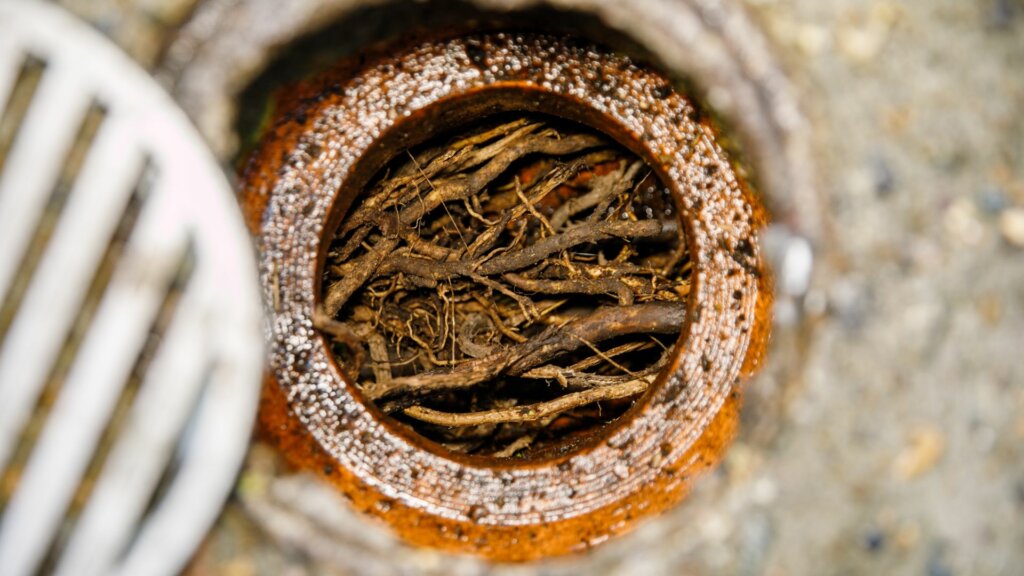
Natural remedies work on surface-level organic build-up near the top of a drain. They cannot fix structural pipe problems and they cannot touch tree roots. If any of the following apply, the problem is not a surface blockage:
- The same drain keeps blocking after you clear it
- More than one drain is slow or blocked at the same time
- A sewer smell keeps coming back after a few days
- You hear gurgling after water drains
- Water backs up into the shower, sink or toilet
- Outdoor drains overflow when it rains
- There is a history of tree root problems on the property
When we go out to Eastern Suburbs properties after the homeowner has tried to fix a recurring blockage themselves, we often find the real issue further down the line. A root has worked its way into a cracked joint, or a section of older pipe has partially collapsed. Natural remedies have been masking the symptom for months. The earlier we can get a camera into the line, the simpler and cheaper the fix tends to be.
In NSW, plumbing and drainage work beyond basic maintenance requires a licensed tradesperson. A CCTV camera inspection is the most efficient way to find out what you are actually dealing with before spending money on repairs.
Why Eastern Suburbs Homes Can Have Recurring Drain Problems

Older properties are more prone to blockages, and the Eastern Suburbs has a lot of them.
Many homes in Paddington, Woollahra, Randwick, Coogee, Waverley and Rose Bay date from the late 19th or early 20th century. The drainage infrastructure from that era often includes terracotta and clay pipes that have aged, shifted and cracked over the decades. These joints are exactly where roots get in.
And there are plenty of roots looking for a way in. The established tree canopy across Paddington and Woollahra, including large Moreton Bay figs, Sydney blue gums and Port Jackson figs, means root systems are consistently pushing underground in search of moisture. Cracked clay pipe joints are an easy target.
Apartment blocks and strata buildings add another layer of complexity. A blockage in one unit can be caused by a problem in the shared drain line, which no household remedy will touch.
The Relining Company works across the Eastern Suburbs, including Bondi, North Bondi, Coogee, Randwick, Paddington, Woollahra, Waverley, Rose Bay, Double Bay, Maroubra and Alexandria. Our CCTV inspections find the exact cause, and in many cases, trenchless pipe relining fixes the problem permanently without any excavation.
How to Prevent Drains Blocking Again
Good drain habits cost nothing. Sydney Water’s Save Our Sinks campaign outlines the basics:
- Fit a sink strainer in kitchen sinks
- Scrape plates into the bin before washing. Never rinse grease or oil down the sink
- Pour cooled fats and oils into a sealed container and bin them
- Compost or bin coffee grounds
- Use a hair catcher in the shower and empty it after every wash
- Clean drain grates outside after storms
- Rinse drains with warm water after using the kitchen sink
- If blockages keep coming back, book a CCTV drain inspection. It is the only way to know what is actually happening inside the pipe
Need Help With a Blocked Drain in the Eastern Suburbs?
Natural remedies are a reasonable first step for a mild, isolated blockage. But if the same drain issue keeps coming back, multiple fixtures are slow, or you have older pipes and established trees on the property, a home remedy is not going to fix the underlying problem.
The Relining Company offers blocked drain services across the Eastern Suburbs, including CCTV drain camera inspections, high-pressure jet blasting, tree root damage repair and trenchless pipe relining.
FAQs
What is the best natural remedy for unblocking drains? It depends on the type of blockage. Hot tap water works for light grease in a kitchen drain. Bicarb and vinegar can help with mild residue and odours, but the chemistry means it is better for maintenance than clearing a real blockage. For hair in a shower, a plunger or drain snake will outperform any liquid. There is no single best answer. Match the remedy to the cause.
Can baking soda and vinegar really unblock a drain? For a genuine blockage, probably not. The reaction between bicarbonate of soda and white vinegar produces carbon dioxide, water and sodium acetate. The fizzing loosens some soft surface residue and neutralises odours, but it is over in seconds. It will not clear a solid clog, shift tree roots or fix a structural pipe problem. Use it monthly for maintenance, not as an emergency fix.
Is boiling water safe to pour down a blocked drain? Not into PVC pipes. Most Sydney homes built from the 1970s have PVC drainage with solvent-welded joints. Boiling water (100°C) stresses those joints and can cause them to fail, creating hidden leaks. Hot tap water (around 55 to 60°C) is safe for PVC and still works on light grease. And do not pour boiling water into a toilet: it can crack the porcelain and melt the wax ring seal at the base.
How do I unblock a drain without chemicals? Remove any visible debris first. Then try hot tap water, bicarb and vinegar, or a plunger, depending on the drain type. A drain snake is often the best tool for a hair blockage in a shower or bath. If nothing works after two or three attempts, call a plumber.
When should I call a plumber for a blocked drain? Call if the same drain keeps blocking, if multiple drains are affected, if you can smell sewage, if you hear gurgling, or if DIY has not worked. These point to a problem deeper in the line.
Why does my drain keep blocking after I clear it? Recurring blockages usually mean there is a deeper cause: grease accumulation further down the line, a cracked or collapsed pipe, tree root intrusion, or a section of pipe that has lost its fall. A CCTV drain inspection is the most reliable way to find out.
The Relining Company are licensed pipe relining and blocked drain specialists servicing Sydney’s Eastern Suburbs and surrounding areas. For a free consultation, call 0404 879 929 or book online.
Back to Top