

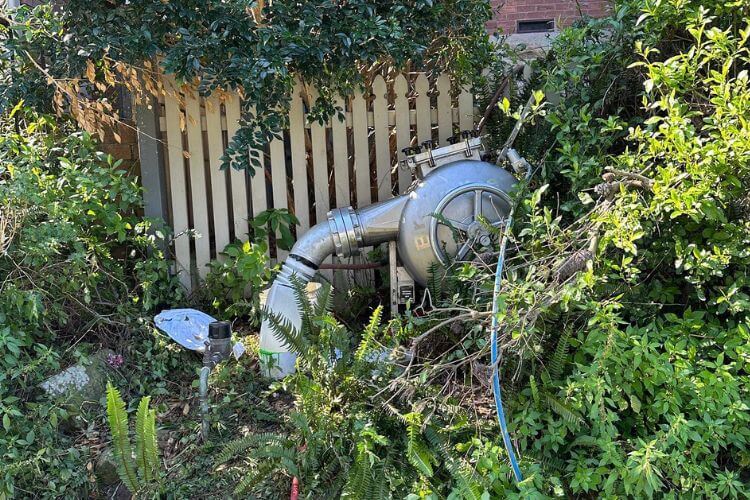
When a pipe fails under your Eastern Suburbs property, the traditional fix isn’t very pretty. Usually, workers will have to cut through your driveway, rip out garden beds, and load skip bins with broken concrete and old clay pipes, and all of it is then taken to landfill. Traditional pipe replacement methods have always worked this way, and the environmental impact adds up fast.
For decades, that was the only way to do it. You had to dig the whole thing up, pull out the old pipe and lay a new one. Trenchless pipe relining has given us a different option that makes a lot more sense for property owners in this part of Sydney. As a sustainable alternative to traditional methods, it avoids the extensive excavation and large-scale digging that come with conventional pipe repair.
What Makes Pipe Relining a More Sustainable Option?
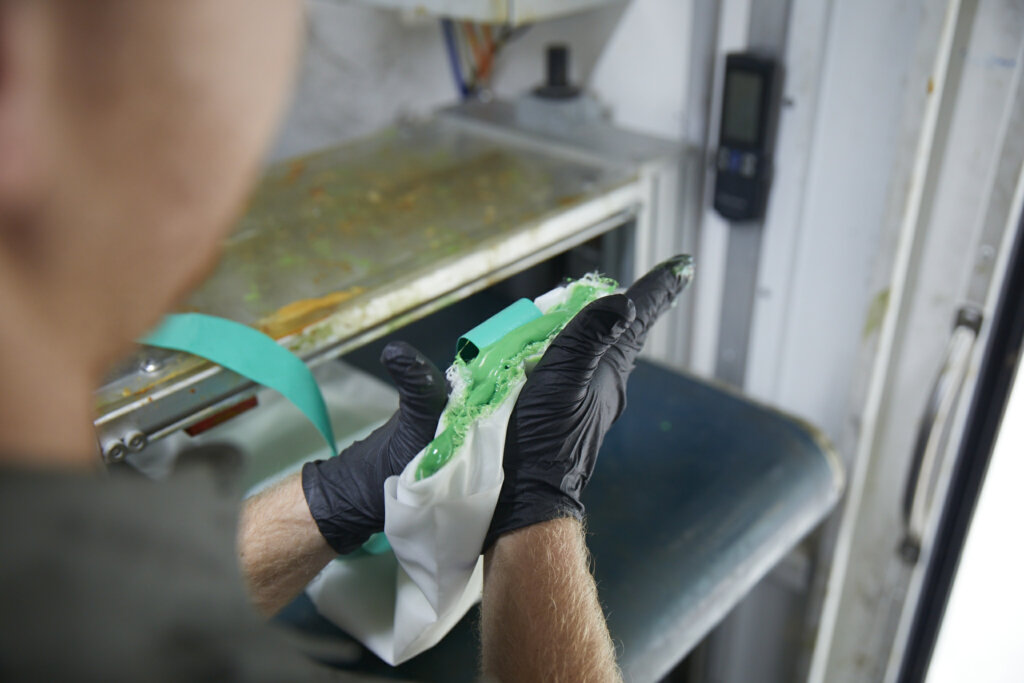
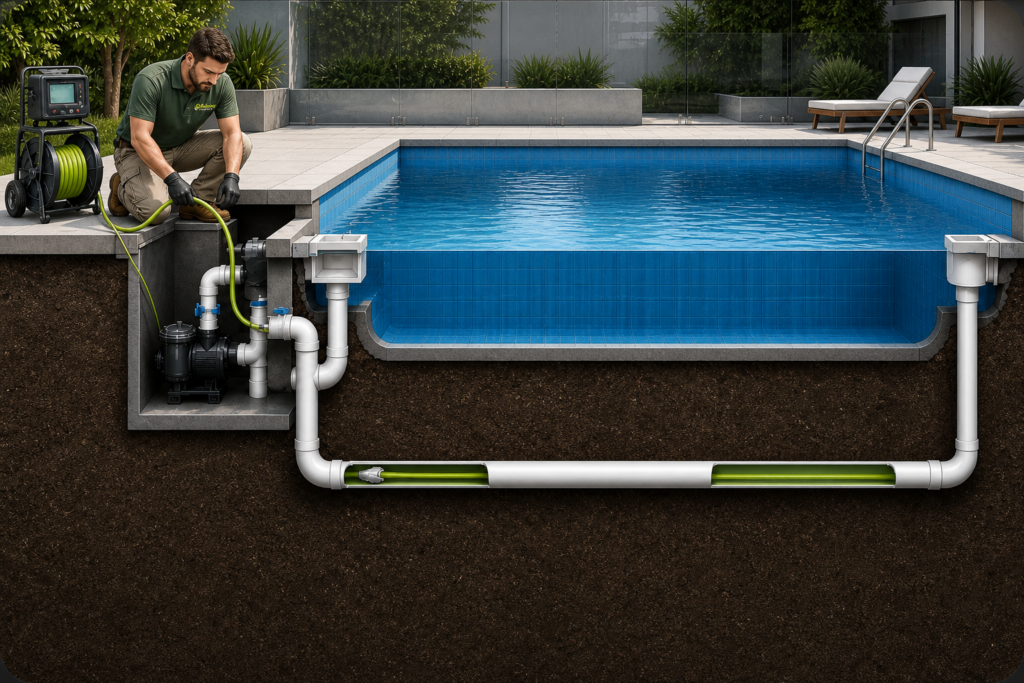
Pipe relining repairs a damaged pipe from the inside. A resin-coated liner goes in through an existing access point, gets guided into position and cures in place to form a new pipe within the existing pipe structure. There’s no trenching or heavy excavation equipment involved, and the original pipe stays in the ground. The pipe relining process works with what’s already there rather than tearing it all out and starting fresh.
That alone removes most of the environmental cost of a traditional replacement. But there’s more to it than just avoiding digging up your yard (or worse). Choosing pipe relining over disruptive excavation also means fewer greenhouse gas emissions from heavy machinery and a significantly smaller carbon footprint for the overall job.
Less Excavation Means Less Damage
Traditional pipe replacement on an Eastern Suburbs property often means cutting through driveways, pulling up established gardens and working around pools and retaining walls. All of that material ends up as waste. And once the pipe is replaced, you still need to restore everything above it with new concrete, turf and landscaping, which is another full round of construction materials and labour.
With relining, we access your pipes through a single entry point, and the ground above stays intact. This is especially beneficial for properties with mature landscaping, heritage-style facades or shared common areas in strata buildings. The minimal disruption to the surrounding environment is one of the main reasons the plumbing industry has shifted toward this approach.
And in the Eastern Suburbs specifically, a lot of homes sit on sandstone with decades-old gardens. Tear those up for a pipe replacement, and you’re looking at years to get them back, whereas pipe relining keeps all of that where it is. For property owners who value their outdoor spaces, it’s a far more environmentally friendly way to handle pipe repair.

Less Waste Going to Landfill
Traditional pipe repair methods generate more waste than most people expect. The old pipes come out whether they’re clay, concrete, PVC or cast iron, and they go straight to landfill along with the excavated soil, broken pavers and any tree roots pulled out during the process. A single residential job can easily produce large volumes of waste across multiple skip bins.
The relining process avoids most of that. The liner bonds to the inside of the existing pipe. There’s no old pipe to pull out or replacement to manufacture and truck in. The relining materials we use (liner and epoxy resin) are measured to each job, so there’s very little excess and no need for additional materials beyond what the affected pipe actually requires.
The liner materials themselves have a smaller footprint than manufacturing new materials like PVC or clay pipes from scratch. Cured in place pipe (CIPP) liners are made from advanced materials, including fibreglass and resin, which create a strong, durable lining with full structural integrity inside the existing pipe. And because they’re cut to the specific repair rather than produced at factory scale, they skip the heavy resource extraction that full pipe manufacturing requires. Regardless of the pipe material being repaired, the relining approach uses fewer new resources.
With a life expectancy of up to 50 years, one relining job can prevent multiple future dig-and-replace cycles. Each of those avoided replacements is another round of waste that never gets generated. These are the kind of long-lasting solutions that make a real difference to environmental sustainability over time.
Lower Energy Use on Site
Traditional pipe repair methods typically need an excavator, a concrete saw, a tipper truck and sometimes a crane, all running across multiple days on site and burning fuel the whole time. The energy consumption from traditional excavation methods like these is substantial.
Relining is a much tidier affair since the equipment is compact, mostly runs on compressed air and fits in a van. There’s no heavy machinery on your property or trucks carting debris away, and most residential relining jobs wrap up in a single day. It’s a far more energy-efficient approach that reduces the job’s carbon footprint considerably.
For strata buildings and townhouse complexes across the Eastern Suburbs, this is a practical benefit as much as an environmental one. Access is often tight, shared driveways don’t suit excavators, and relining works in those spaces without the logistical problems that come with extensive digging. The trenchless technology used in the relining process makes it possible to repair plumbing systems in places where traditional pipe repairs would cause serious disruption.
Protecting Local Waterways
Cracked sewer pipes can leak raw sewage into the surrounding soil, and over time, that sewage makes its way into stormwater systems and local waterways. Even small cracks can let a steady flow into the ground that feeds the broader drainage network. Root intrusions can make this worse by widening existing damage and creating new entry points for groundwater.
A lot of Eastern Suburbs properties sit within catchment areas that drain toward the coast around Bondi, Bronte and Coogee. A leaking sewer line feeding into those catchments creates a water quality issue that goes well beyond your property, and one that worsens under certain environmental conditions like heavy rainfall.
Pipe relining creates a seamless, joint-free surface inside the pipe that seals off the cracks and weak points where leaks happen, ensuring pipes remain watertight in both directions. Relined pipes are less likely to let sewage into the ground, and less likely to let stormwater seep in and overload the sewer system when it rains.
Longer Lifespan and Fewer Resources Over Time
Our pipe relining comes with a 35-year warranty and a life expectancy of up to 50 years. Compare that to a patched repair that might need redoing in five to ten years. Every repeat job means more materials, energy and disruption, so one well done reline cuts all of that out for decades. It also means fewer costly repairs down the line for homeowners already dealing with ageing plumbing systems.
A lot of older properties across the Eastern Suburbs still have original earthenware or clay pipe systems. Relining lets you extend the life of that existing infrastructure instead of ripping it all out and starting over. As sustainable plumbing practices continue to gain traction across the plumbing industry, this kind of approach represents a genuine shift in environmental responsibility.
Real World Example: Coca-Cola Amatil Factory, Sydney
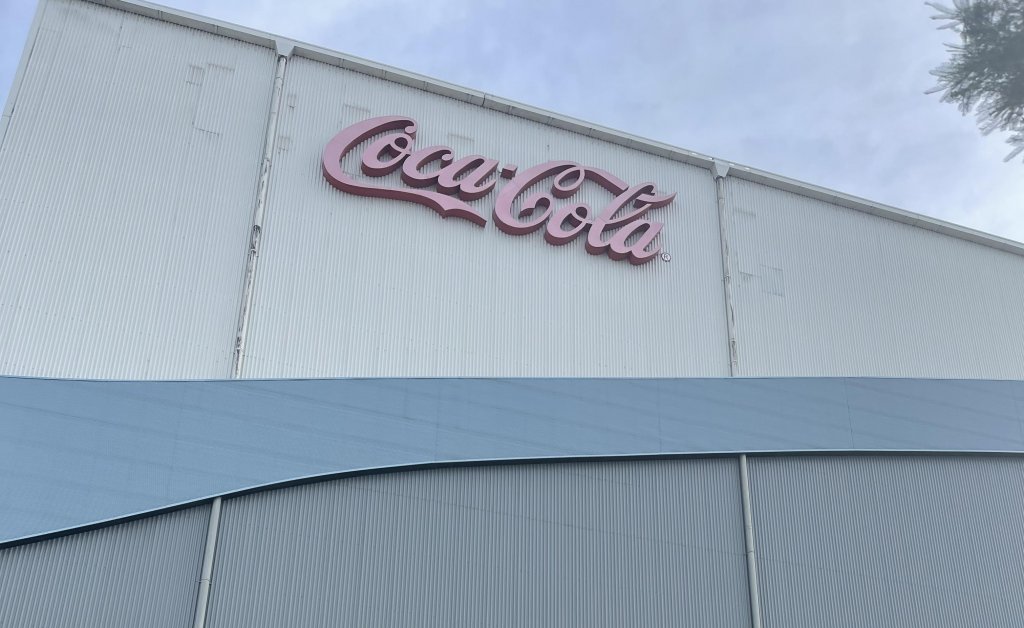
For a larger-scale example, we completed a project at the Coca-Cola Amatil factory in Sydney. Years of sugar-heavy waste had cracked and eroded their original earthenware pipes.
Replacing them traditionally would have meant tearing through operational areas, shutting down production and generating a significant amount of demolition waste. We used trenchless pipe relining instead as an eco-friendly alternative to traditional excavation. The factory avoided downtime and the waste that a full excavation would have created.
It’s a commercial job, but the same principle applies to a house or a strata building in the Eastern Suburbs, with less digging and less waste. Whether it’s a residential home or a large commercial site, pipe relining offers a greener future for how we maintain and repair underground infrastructure.
How Our Process Keeps Things Efficient
When you book a consultation with us, we start with a comprehensive inspection using CCTV cameras to look inside your pipes. The footage from that shows us the actual condition of the pipework, including the exact location of damage, how far it extends, what diameter we’re working with and what repair method makes sense. This innovative technique means we can diagnose problems without any digging at all.
Some jobs need a full-length reline while others only require a patch on one section of the affected pipe. By scoping it properly with the camera first, it means we use only the materials and labour the job actually needs, which keeps waste down and the overall footprint small.
We produce a quote on the spot. Either a single fixed price or multiple options if you want to stage the work and prioritise the most urgent sections first. It’s a cost effective solution that avoids locking you into one large bill, and the cost effectiveness improves further when you factor in the decades of service you get from a single reline.
Frequently Asked Questions
Is pipe relining actually better for the environment than replacing pipes?
Yes. It avoids excavation, heavy machinery, material disposal and new pipe manufacturing. It generates less waste, uses fewer resources and produces lower emissions on site. And because relined pipes last up to 50 years, there’s less need for future repairs. The reduced environmental impact compared to traditional pipe replacement methods is significant.
Does pipe relining work for older pipes in heritage homes?
It does. Many heritage style homes in the Eastern Suburbs still have original clay or earthenware pipes. Relining repairs them from the inside with minimal disruption to the property’s structure, garden or facade. That’s important where heritage considerations limit what work can be done externally.
How does pipe relining reduce waste compared to pipe replacement?
Traditional replacement removes the old pipe and everything around it (soil, concrete, landscaping) and sends it to landfill. Relining leaves the existing pipe in place and creates a new pipe inside it. The only materials used are the liner and resin, measured to the specific job, with no additional materials or large volumes of construction waste produced.
Can pipe relining help prevent sewage leaks into the environment?
Yes. Cracked pipes can leak sewage into soil and stormwater systems. Relining creates a seamless internal surface that seals off cracks and weak joints, reducing the risk of contamination reaching local waterways.
What warranty does The Relining Company offer on pipe relining?
We provide a 35-year warranty on our pipe relining solutions, with a life expectancy of up to 50 years.
Is pipe relining suitable for strata buildings?
Very much so. It avoids excavation in shared common areas, reduces disruption to residents and cuts the waste and restoration costs that come with traditional pipe replacement.
Want to find out if pipe relining suits your property? Book a free consultation with The Relining Company. We’ll run a CCTV inspection, walk you through what we find and give you a clear quote on the spot.
Back to Top