

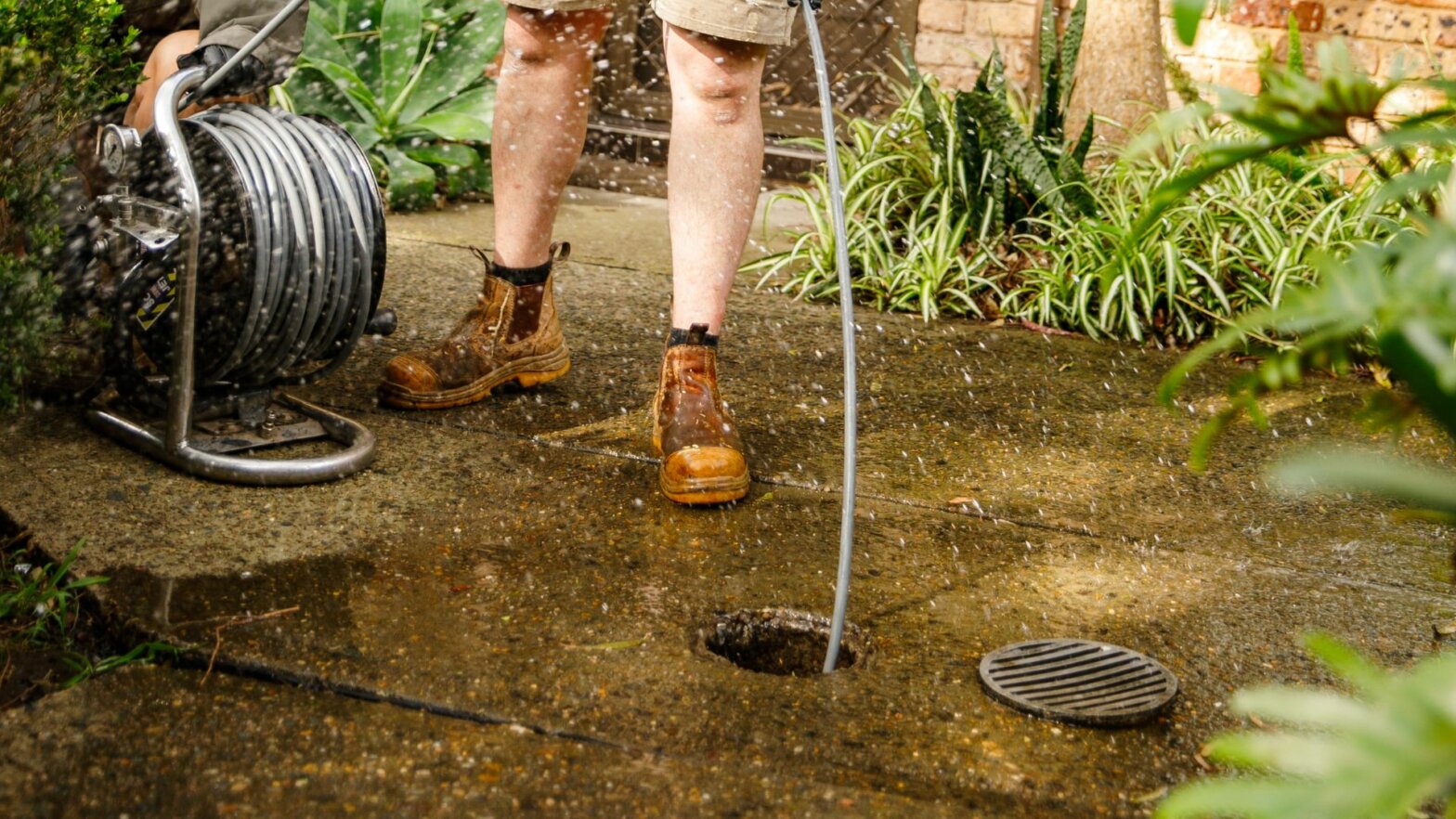
Most blocked drains are not emergencies, but they feel like one when it is 9pm, and the kitchen sink is not draining, or if you have company over and the toilet won’t flush. Before you call a plumber, it’s worth spending five minutes working out what you are actually dealing with. There are a few things you can try to see if the callout is worth it.
Can You Clear a Blocked Drain Yourself?
Start here before you do anything else.
Try DIY if:
- One fixture is slow or blocked, with no other symptoms
- There is no sewage smell, gurgling, or overflow anywhere
Be cautious if:
- The drain smells, or you can hear gurgling when another fixture runs
- It is the same drain that blocked a few weeks ago
Stop and call a plumber if:
- Multiple drains are slow or blocked at the same time
- Sewage is backing up anywhere in the property
- An outdoor drain is overflowing after rain
- Water backs up in the shower when you flush the toilet or run the washing machine
That last group is not a DIY problem. Those are symptoms of a sewer line or stormwater issue, and no plunger or drain snake will reach it.
Before You Start: Safety and Tools
Put on gloves, place a bucket under anything you are opening, and never mix cleaning products if you have already used chemical products.
Most DIYers forget this, but make sure you cover the overflow hole in the sink basin before plunging so you don’t lose suction to any small gaps.
Useful tools: A cup plunger for sinks and baths, a flange plunger for toilets, a drain snake or hand auger, a drain strainer, a bucket, and a torch. That is all you need.
Work Out What Type of Blockage You Have
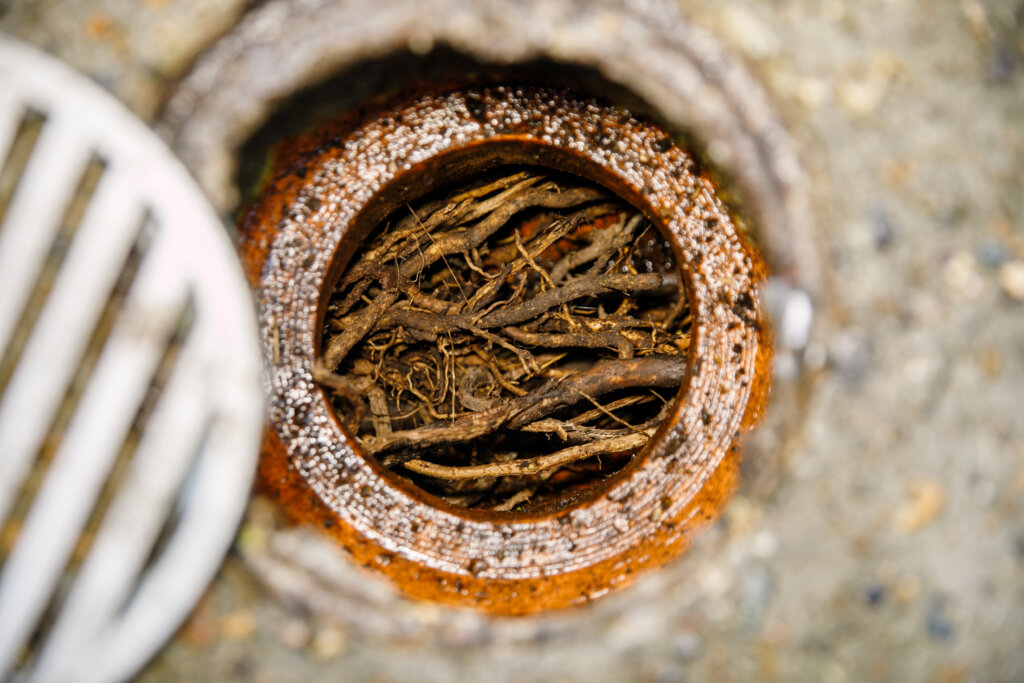
The type of blockage determines whether DIY is even worth attempting, so it’s important to diagnose before you try anything further. For a full breakdown of the symptoms to watch for, see our blocked drain signs guide.
One slow or clogged fixture usually indicates a local blockage at or near the drain opening: hair in the shower, food debris in the kitchen sink, soap scum in the bathroom sink. A slow-draining sink or a single clogged drain is most often caused by grease and soap scum, foreign objects, or mineral buildup restricting flow in the drain pipe. This is where DIY methods have the best chance of success.
Multiple slow or blocked drains are a different problem. If the toilet gurgles when you drain the bath, or the shower backs up when the washing machine empties, the blockage is sitting further down in a branch line or the main sewer. When multiple parts of your plumbing system are affected at once, DIY tools will not reach them, and forcing them in the wrong direction can make things worse.
Outdoor or stormwater blockages after heavy rain are usually caused by leaves, silt or debris at the grate level. Clearing surface debris is safe. But if the drain surcharges repeatedly, or you suspect roots or broken pipework underneath, that needs a professional assessment rather than a garden hose.
A recurring blockage in the same drain means the root cause has been temporarily relieved, but not fixed. The underlying cause is almost always one of three things: tree root intrusion growing back through a crack, internal pipe damage such as a sag or offset trapping debris, or heavy buildup that a drain snake can disturb but not remove. Clearing a recurring blockage repeatedly without diagnosis is like refilling a leaking tyre without finding the puncture.
What your blockage may mean:
| What you are seeing | Most likely cause |
|---|---|
| One slow shower drain | Hair or soap scum near the opening |
| Kitchen sink smells but drains slowly | Food or grease buildup in the trap or pipe |
| Toilet gurgles when the shower drains | Sewer line issue further down |
| Outdoor drain overflows after rain | Stormwater blockage or surcharge |
| Same drain blocks every few months | Tree roots or damaged pipe |
| Multiple fixtures slow at once | Main sewer line blockage |
Safe DIY Methods to Try First
Start here, before you touch anything else.
Pull the drain cover off, pull out whatever is in there with gloved hands, and bin it. Do not rinse it back down. You would be surprised how often this is the whole problem. Finish by flushing with hot water to clear any remaining debris. This works best on shower drains and bathroom basins for surface-level clogs that do not require drain cleaning to go any deeper.
Hot water and dish soap for the kitchen sink.
Pour a kettle of hot water slowly down the drain with a small squeeze of dish soap. The soap helps cut through the grease. Avoid boiling water in toilets to prevent cracking the ceramic, and go easy with very hot water on exposed older pipe fittings. Hot from the tap is usually enough.
Use a plunger properly.
A plunger only works with a solid seal. Cover the overflow hole with a wet cloth first. Use steady, controlled pressure. The pull-back on the upstroke does the work, not an aggressive downward force. A tight seal and consistent motion are what dislodge clogs. It is enough to clear most minor clogs without any other tools. Stop immediately if wastewater appears elsewhere in the room.
A drain snake for hair and shallow blockages.
A drain snake, also called a drain auger, feeds into the pipe to break up or retrieve blockages. Feed it in slowly, rotate as it meets resistance, and pull back to retrieve debris rather than pushing it deeper. Use it gently, particularly in older Eastern Suburbs properties where cast iron or earthenware pipes are less forgiving of heavy-handed tools.
Clean an accessible sink trap.
If the blockage is in the U-bend directly under the sink, you can remove it manually. Put a bucket underneath, photograph the connections first so you know how to put it back together, then unscrew the slip joints by hand. Only attempt this if the pipework appears to be in good condition and you are confident you can reassemble it correctly.
Tried the basic steps and still dealing with slow drainage? The blockage may be deeper in the line. Book a blocked drain inspection with The Relining Company.
What Not to Do
Do not keep adding chemical drain cleaner.
Chemical cleaners, including products marketed as natural, such as baking soda and vinegar, can shift very light surface blockages, but they have no meaningful effect on tree roots, pipe damage or deeper debris. Repeated use of harsh chemicals can cause further damage by degrading pipe materials over time. And if the drain is still blocked after the first pour, adding more will not help. It makes the job harder and more dangerous for whoever comes out to fix it.
Do not mix chemical products.
If you have already used one, flush thoroughly with water before trying anything else.
Do not keep flushing a blocked toilet.
If water is rising rather than draining, one flush tells you what you need to know. Further flushing risks overflow.
Do not assume a drain is fixed because it is flowing again.
A drain that clears temporarily and then re-blocks has not been repaired. It has been symptom-managed. The underlying cause is still there.
Do not pour old household chemicals down the drain to dispose of them.
The NSW EPA recommends disposing of potentially hazardous household chemicals through their Household Chemical CleanOut program rather than into drains, sewers or waterways.
If sewage is backing up, multiple drains are blocked, or the same drain keeps blocking, stop DIY attempts and speak with our blocked drain specialists.
Fixture-by-Fixture: What to Try
Blocked kitchen sink: Remove scraps from the strainer basket first. Try hot water and dish soap for light grease. If that does not move it, a plunger with a proper seal over the overflow hole can shift a shallow blockage. Avoid food waste, coffee grounds, fats and cooking oil going forward. Sydney Water’s Save Our Sinks guidance advises that only water, detergent and soap should go down kitchen sinks, with food scraps, oils, milk and coffee grounds kept out.
Blocked shower drain: Remove the drain cover and pull out hair with gloved hands or a plastic drain hook. Soap residue and hair are the main culprits in bathroom drains, so a drain snake, used carefully, will clear most of what hands cannot reach. Flush with warm water afterwards and fit a hair catcher to prevent the same buildup.
Blocked bathroom basin: Check the pop-up plug stopper for hair. That is the most common cause. A small plunger with the overflow hole sealed can shift a minor blockage. Clean the accessible trap if you are comfortable doing so.
Blocked toilet: Use a flange plunger with a good seal. Do not flush between attempts. Avoid chemical cleaners entirely. Wet wipes and excess toilet paper are the most common causes of a blocked toilet. Even wipes labelled flushable do not break down in the pipe. If water is rising, sewage is present, or other drains are affected, stop and call a plumber.
Why Eastern Suburbs Drains Are Often Harder to Clear Yourself
If you are dealing with a blocked drain in Bondi, Coogee, Bronte, Randwick, Paddington, Woollahra or Double Bay, there are some local factors worth understanding before assuming it is a simple surface job.
Many homes in the Eastern Suburbs sit on drainage that was laid decades ago. Earthenware and clay pipes are far more susceptible to root intrusion and joint failure than modern PVC pipes. Mature fig trees, established jacarandas and the large street trees common throughout the area are a well-known cause of recurring sewer blockages. Once tree roots find a crack or an open joint in an older pipe, they do not just block it. They grow back, often faster each time they are disturbed.
Older apartment blocks, terrace houses with narrow side access, tiled courtyards and shared strata drainage systems also mean DIY attempts can complicate what would otherwise be a straightforward professional job. Coastal weather, heavy summer rainfall and leaf litter from established gardens regularly add to stormwater issues in lower-lying streets.
In these properties, a drain snake or plunger might restore flow. But that does not mean the underlying problem has been resolved.
When DIY Is Not Enough: Stop and Call a Plumber
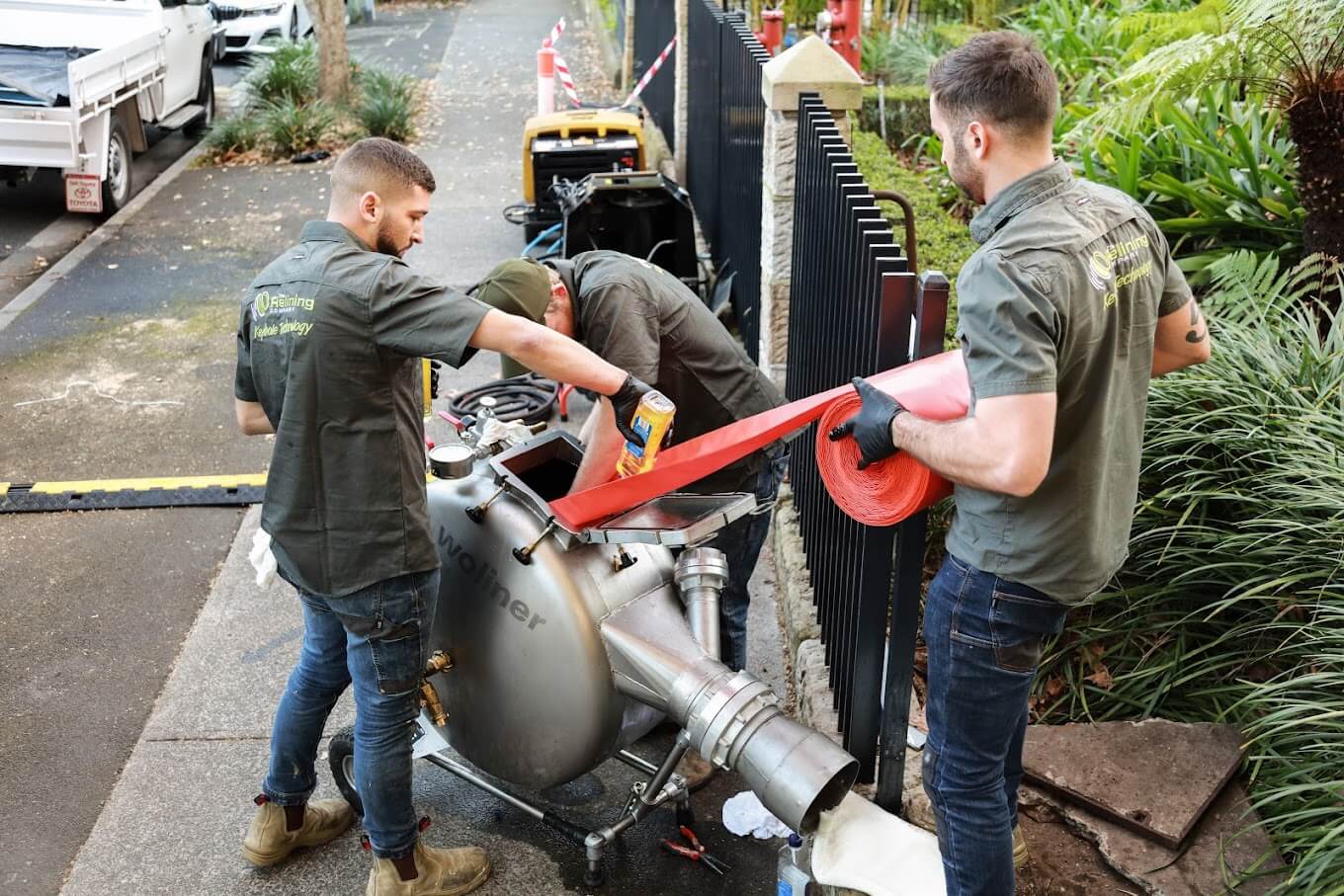
Call a licensed professional plumber if you notice any of the following:
- Water backs up in a drain when you use a different fixture
- Multiple drains slow or blocked at the same time
- Sewage smell from any drain, floor waste or inspection opening
- The toilet is overflowing, or the water is rising rather than draining
- Outdoor drain overflowing or water pooling around paved areas
- Gurgling or bubbling sounds after flushing or draining anywhere in the house
- The same drain blocking within days or weeks of being cleared
- Slow drainage that remains even after a DIY attempt
- Older property with established trees and a history of drainage issues
Persistent or severe blockages need more than a plunger. A CCTV drain camera inspection removes the guesswork. The camera travels through the pipe and shows exactly where the blockage is, what is causing it, and whether the pipe itself is damaged. That diagnosis determines whether hydro jetting, high-pressure water jets, robotic cutting, or pipe relining is the right next step. For stubborn blockages caused by roots or collapsed sections, professional clearing avoids unnecessary digging and gets to the actual cause. Without a camera inspection, you are guessing.
It is also worth knowing that in NSW, plumbing and drainage work generally requires the appropriate licence or certificate regardless of job cost or property type. If the job needs more than a plunger, it needs a licensed plumber.
Need help with a blocked drain in Sydney’s Eastern Suburbs? Contact The Relining Company for a free consultation and expert advice before the issue gets worse.
Keeping Drains Clear Long-Term
- Fit a hair catcher in every shower and clean it weekly
- Use a sink strainer in the kitchen and empty it after every use
- Bin food scraps, coffee grounds and cooking oil. Never put them down the sink.
- Only flush toilet paper and human waste
- Clear outdoor grates before Sydney’s storm season, and check your inspection opening location if you are in an older terrace or apartment block
- Book a periodic drain inspection if your property has mature trees nearby. Catching root intrusion early prevents future blockages from turning into a plumbing emergency.
FAQs
What is the safest first step when a drain blocks? Pull the drain cover off, remove visible debris with gloved hands and bin it. This clears more shower and basin blockages than you might think.
Should I use chemical drain cleaner? Not as a first step, and never repeatedly. Chemical cleaners are unreliable on anything beyond very minor surface blockages and can make the job harder if a plumber is needed. Start with physical methods.
Why does the same drain keep blocking after I clear it? Recurring blockages almost always point to something below the surface. Tree root regrowth, a cracked or sagging pipe, or heavy buildup that tools can only partially disturb. A CCTV inspection identifies the actual cause so it can be properly fixed rather than temporarily cleared.
When should I stop trying to fix it myself? Immediately, if sewage is present, multiple fixtures are affected, the drain overflows outdoors, or the same drain has blocked more than once. Those are signs the issue is in the line, not at the drain opening.
Can tree roots block drains in Eastern Suburbs homes? Yes, and it is one of the most common causes of recurring sewer blockages in the area. Older clay and earthenware pipes, combined with mature trees throughout suburbs like Paddington, Woollahra, Bronte and Randwick, make root intrusion a regular finding on CCTV inspections across Eastern Suburbs properties.
Back to Top